When Death Came Home
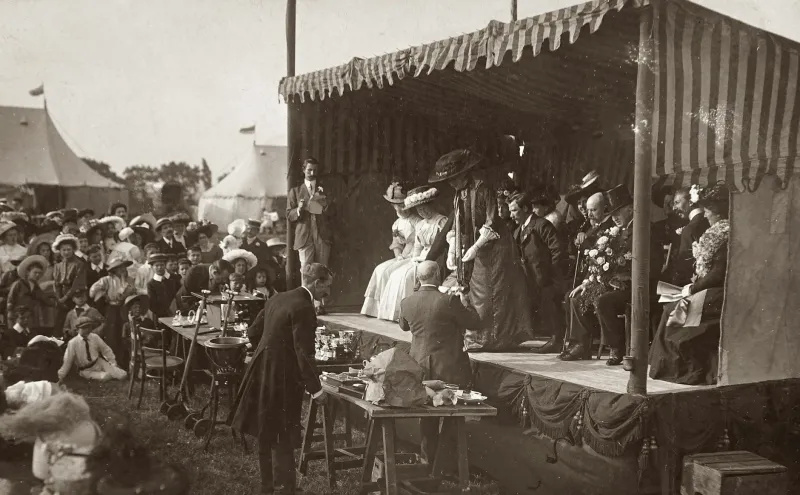
In 1900, your great-grandmother likely died where she lived — in her own bedroom, surrounded by the quilts she'd sewn and the family she'd raised. Death was as domestic as birth, managed by loved ones who knew exactly how she liked her tea and which hymns brought her comfort.
Back then, roughly 80% of Americans drew their final breath at home. Families gathered around bedsides for days or weeks, taking shifts to provide care. Children learned about mortality not from textbooks but from watching grandparents fade peacefully in familiar surroundings. Death was woven into the fabric of daily life.
The local doctor might stop by to check vitals and offer what limited pain relief existed, but medical intervention was minimal. Families understood that death was a natural process, not a problem to be solved. When the end came, neighbors brought casseroles, helped with arrangements, and gathered in parlors for wakes that lasted days.
The Great Medical Migration
Today, that intimate relationship with death has vanished almost entirely. Modern Americans are more likely to die in hospitals (35%), nursing homes (28%), or other institutional settings than in their own homes. Only about 30% of deaths now occur at home — a complete reversal from our ancestors' experience.
This shift didn't happen overnight. The transformation began in the 1940s and accelerated through the 1960s as medical technology advanced and hospitals became centers of hope rather than places of last resort. Families started believing that professional medical care could extend life indefinitely, making home death seem like giving up.
Insurance systems reinforced this trend. Medicare and private insurers readily covered hospital stays and aggressive treatments but offered little support for home-based end-of-life care. The financial incentives pointed families toward institutions, even when cure was impossible.
What We Lost in Translation
The medicalization of death came with unexpected costs that we're only now beginning to understand. Research shows that patients who die at home experience less pain, fewer invasive procedures, and greater satisfaction with their care. Family members report better grief outcomes and fewer regrets about end-of-life decisions.
But perhaps more importantly, we lost something cultural. Death became sanitized, hidden away from daily life. Children grew up never witnessing natural death, creating generations of adults terrified of mortality. We began treating death as medical failure rather than life's natural conclusion.
Dr. Atul Gawande, author of "Being Mortal," notes that this shift fundamentally changed how we think about aging and dying. Instead of focusing on comfort and meaning in final days, we chase medical interventions that often increase suffering while providing false hope.
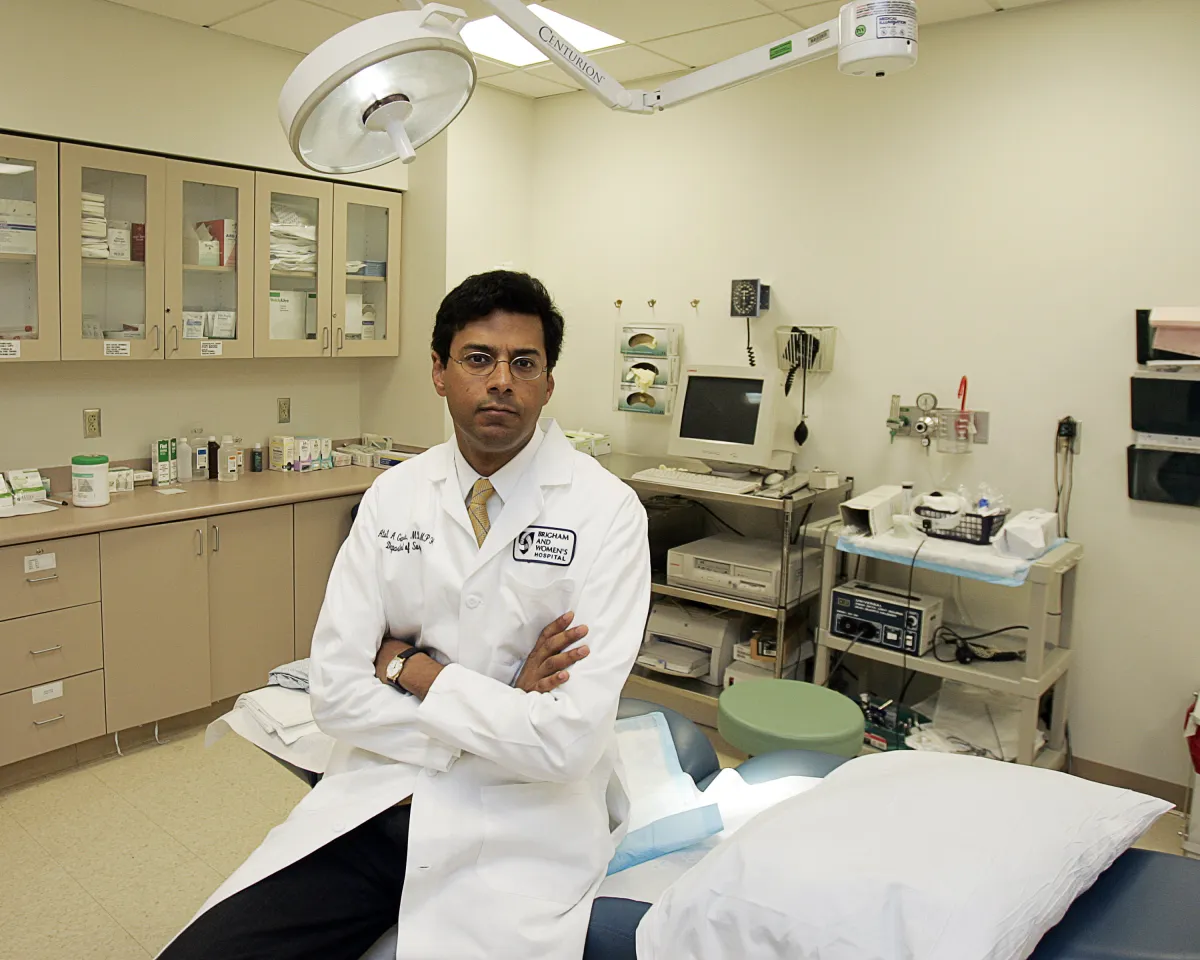 Photo: Dr. Atul Gawande, via www.macfound.org
The Quiet Revolution
A growing movement is now working to reclaim death from institutional settings. Hospice care, which barely existed in 1970, now serves over 1.5 million Americans annually. Most hospice care happens at home, returning families to the role of primary caregivers for their dying loved ones.
Death doulas — non-medical companions who guide families through the dying process — represent another piece of this revolution. These professionals help families create meaningful death experiences at home, much like their great-grandparents managed naturally.
States are also expanding "right to die" laws and improving access to home-based palliative care. Oregon's Death with Dignity Act and similar legislation in other states recognize that people should have choices about where and how they die.
Coming Full Circle
The irony is striking: we developed incredible medical technology to extend life, but in the process, we made death more frightening and less human. Now, armed with better pain management and palliative care techniques, we're slowly learning to combine modern comfort measures with old-fashioned family presence.
Your great-grandmother died at home not because medical care was unavailable, but because home was where death belonged. Today's families are rediscovering that wisdom, creating death experiences that honor both medical needs and human connection.
The bedroom is becoming a place of final goodbye once again — not because we've given up on medical progress, but because we've finally learned the difference between extending life and extending suffering. In reclaiming death as a family experience, we're recovering something our ancestors never thought we'd be foolish enough to lose.