The Doctor Who Knew Everything
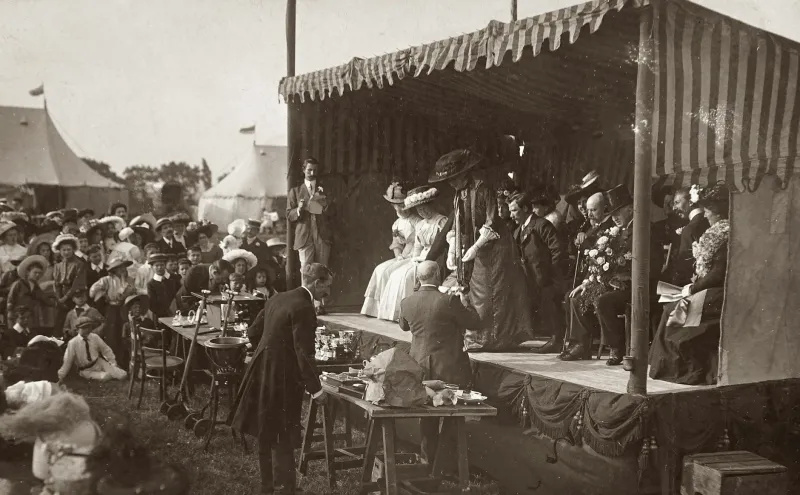
Dr. Williams delivered your father in 1952, set his broken arm in 1960, and treated his appendicitis in 1965. When your father got married, Dr. Williams was at the wedding. When you were born, those same weathered hands guided you into the world. This wasn't unusual — it was how American medicine worked for most of the 20th century.
Family doctors weren't just medical providers; they were community fixtures who accumulated decades of intimate knowledge about their patients' lives. They knew which families had histories of heart disease, who struggled with depression, and which teenagers were likely to show up with suspicious injuries after football season.
These physicians maintained handwritten charts that read like family biographies. They remembered that Mrs. Johnson's arthritis flared up before storms, that little Tommy was allergic to penicillin, and that the Miller family always got strep throat in March. Medical care was deeply personal because the same person managed it for generations.
 Photo: Tommy, via sg.tommy.com
 Photo: Mrs. Johnson, via media.charclub.ai
The Appointment That Lasted an Hour
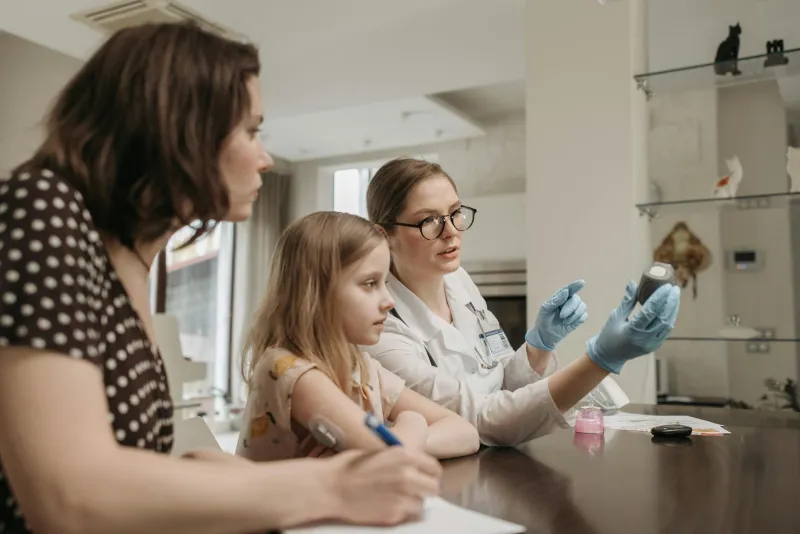
Visiting your family doctor in 1960 meant settling in for a real conversation. Appointments routinely lasted 30 to 45 minutes, sometimes longer for complex cases. The doctor asked about your job, your family stress, your sleep patterns — not because insurance required it, but because they understood that health extended far beyond symptoms.
Dr. Williams might spend ten minutes discussing your father's work troubles because he knew job stress triggered his patient's ulcers. He'd inquire about your grandmother's health because he'd been treating three generations and understood the family's genetic patterns. These weren't just medical consultations; they were check-ins with someone who genuinely knew your life story.
Patients developed profound trust in physicians who had guided them through decades of health challenges. When Dr. Williams recommended surgery, families didn't seek second opinions — they trusted someone who had never steered them wrong.
The Great Medical Fragmentation
Today's healthcare landscape would mystify your grandfather's generation. The average American now sees 18 different doctors over their lifetime, with most physician relationships lasting less than three years. Instead of one doctor knowing everything, we have specialists who know narrow slices of our health.
This fragmentation happened gradually, driven by forces that seemed beneficial at the time. Medical specialization allowed doctors to develop deep expertise in specific areas. Insurance networks promised lower costs through managed care. Electronic health records would supposedly solve communication problems between providers.
But something crucial was lost in translation. Modern physicians spend an average of 7-10 minutes per patient appointment, much of it staring at computer screens rather than making eye contact. They know your test results but not your life circumstances. They can access your digital chart but not the context that makes sense of your symptoms.
The Revolving Door Effect
Consider what happens when you visit a typical medical practice today. You might see Dr. Smith for your annual physical, Dr. Jones when Dr. Smith is booked, and Dr. Wilson when both are unavailable. Each physician starts fresh, reading notes from colleagues who may have spent 10 minutes with you months earlier.
This revolving door approach creates dangerous gaps in care. Subtle changes in your health that a longtime physician would notice immediately get missed by providers who don't know your baseline. Drug interactions that Dr. Williams would have caught based on family history slip through computerized screening systems.
Patients adapt by becoming their own medical historians, carrying lists of medications and summarizing complex health histories for each new provider. We've essentially asked patients to do the job that family doctors once performed naturally.
What Science Says We Lost
Research consistently shows that continuity of care — seeing the same physician over time — leads to better health outcomes. Patients with long-term physician relationships have lower mortality rates, fewer hospitalizations, and better management of chronic conditions.
Longitudinal care allows doctors to spot patterns that episodic care misses. The family physician who noticed that your father's mood changes preceded his heart attacks could prevent future cardiac events. Today's rotating providers might treat the symptoms without recognizing the pattern.
Trust, built over years of successful treatment, also improves patient compliance. When Dr. Williams recommended lifestyle changes, patients followed through because they trusted his judgment. Today's patients often ignore advice from physicians they barely know.
The Corporate Takeover
The death of family medicine wasn't accidental — it was a predictable result of healthcare's corporatization. Large hospital systems bought independent practices, turning physicians into employees with productivity quotas. Insurance companies created narrow networks that force patients to change doctors based on employment changes.
Physicians now see 25-30 patients per day instead of the 12-15 that Dr. Williams managed. Electronic health records, designed to improve efficiency, often distance doctors from patients as they click through required documentation. The economics of modern medicine reward volume over relationships.
Meanwhile, physician burnout has reached crisis levels. Doctors who entered medicine to help people find themselves trapped in systems that prioritize billing codes over bedside manner. Many leave primary care entirely, exacerbating the shortage of family physicians.
The Concierge Medicine Response
Some physicians have opted out of traditional healthcare entirely, creating concierge practices that charge annual fees for unlimited access. These doctors limit their patient panels to 400-600 people instead of the 2,000-3,000 typical in corporate practices.
Concierge medicine deliberately recreates the old family doctor model — same-day appointments, house calls, and physicians who know their patients personally. But this solution only serves affluent patients who can afford annual fees of $2,000-5,000.
The Memory We're Trying to Recover
Your grandfather's relationship with Dr. Williams represents something we're slowly recognizing as irreplaceable. Modern healthcare excels at treating acute conditions and managing complex diseases, but it struggles with the human side of medicine that family doctors provided naturally.
Some health systems are experimenting with "medical homes" that assign patients to primary care teams for long-term relationships. Others use technology to help physicians remember personal details about patients. But these efforts feel artificial compared to the organic relationships that developed when doctors stayed in communities for entire careers.
The family doctor who knew three generations didn't just provide medical care — he provided continuity in an uncertain world. When everything else changed, Dr. Williams remained constant, a medical anchor who understood not just your symptoms but your story.
We gained incredible medical capabilities when we moved beyond the family doctor model. But we lost something equally important: the healing power of being truly known by someone trained to care for us.