
The Gospel of RICE
If you played sports anytime before 2010, you knew the drill. Twist an ankle? RICE it. Pull a hamstring? RICE it. Any soft tissue injury meant the same four-step protocol: Rest, Ice, Compression, Elevation. Then you waited — sometimes for weeks — until the swelling went down and you could walk without limping.
This wasn't just casual advice from gym teachers. RICE protocol was medical gospel, taught in every sports medicine textbook and emergency room. Dr. Gabe Mirkin, who coined the RICE acronym in his 1978 book "The Sports Medicine Book," became the unwitting father of a treatment philosophy that dominated athletics for nearly four decades.
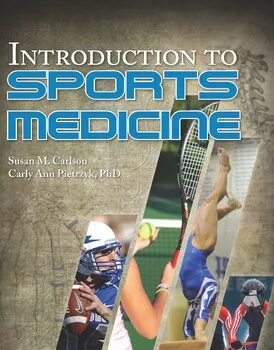 Photo: The Sports Medicine Book, via ecdn.teacherspayteachers.com
 Photo: Dr. Gabe Mirkin, via 1.bp.blogspot.com
Back then, inflammation was the enemy. Swelling meant damage, and anything that reduced swelling was considered helpful. Ice became the magic bullet — it numbed pain, reduced inflammation, and gave both athletes and coaches something concrete to do while waiting for healing.
When Rest Became a Four-Letter Word
The old approach treated injured athletes like broken machines. You pulled them off the field, immobilized the injury, and waited for tissues to repair themselves. A sprained ankle might sideline someone for two weeks. A pulled muscle could mean a month of careful rehabilitation.
Physical therapy didn't start until inflammation subsided, which could take days or weeks. Athletes sat on benches with ice packs, watching their fitness levels plummet while their injuries slowly healed. The focus was entirely on avoiding further damage, not on promoting recovery.
This conservative approach made intuitive sense. If something hurts and swells up, logic suggests you should rest it and cool it down. For generations of athletes, coaches, and parents, RICE felt both scientific and sensible.
The Science That Changed Everything
Then researchers started asking uncomfortable questions. Why do some athletes recover faster than others? Why do certain injuries become chronic problems? Most importantly: what if inflammation isn't the enemy we thought it was?
Studies in the 2000s revealed that inflammation serves crucial healing functions. Those swollen, painful tissues are actually flooded with growth factors, stem cells, and repair proteins. Ice doesn't just reduce swelling — it potentially slows the very biological processes needed for recovery.
Dr. Mirkin himself renounced his own creation in 2013, stating that both ice and complete rest may actually delay healing. Research showed that early, gentle movement promotes blood flow, reduces scar tissue formation, and maintains muscle strength during recovery.
The most damning evidence came from studies comparing recovery times. Athletes who started moving immediately — within pain tolerance — consistently healed faster than those who followed traditional RICE protocols.
The Movement Revolution
Today's sports medicine looks radically different. The new acronym is PEACE & LOVE (Protect, Elevate, Avoid anti-inflammatory drugs, Compress, Educate, then Load, Optimism, Vascularization, Exercise). The emphasis has shifted from stopping inflammation to managing it intelligently.
Modern athletes with ankle sprains start walking immediately, sometimes within hours of injury. Physical therapy begins on day one, not week three. Instead of ice baths, many facilities use contrast therapy — alternating hot and cold to promote circulation.
Professional sports teams now employ "movement specialists" who design injury-specific exercises that maintain fitness while promoting healing. What used to require weeks of rest might now involve modified training that keeps athletes game-ready.
The Stubborn Persistence of Old Habits
Despite overwhelming scientific evidence, RICE refuses to die completely. Many high school coaches, weekend warriors, and even some medical professionals still reach for ice packs as their first response to injury. The protocol feels too familiar, too logical to abandon entirely.
This resistance highlights how difficult it can be to overturn established medical wisdom, even when new evidence is compelling. The RICE generation — athletes, coaches, and parents who grew up with ice packs — often struggle to embrace movement-based recovery that seems counterintuitive.
Insurance companies and liability concerns also slow adoption of new protocols. It's easier to justify traditional rest-based treatment than to explain why you're asking injured athletes to keep moving.
What We Know Now
The revolution in injury treatment reflects broader changes in how we understand the human body. Instead of viewing it as a fragile machine that breaks down, modern sports medicine sees a remarkably adaptive system that responds to appropriate challenges.
Controlled movement stimulates healing in ways that rest cannot. Blood flow carries away waste products and delivers nutrients. Gentle stress on healing tissues promotes stronger, more flexible repairs. The body wants to heal — we just need to create the right conditions.
This shift has implications beyond athletics. Physical therapy for post-surgical patients now emphasizes early mobilization. Chronic pain treatment focuses on gradual activity increases rather than rest and avoidance.
The ice pack era taught us that medical wisdom isn't permanent. Today's breakthrough treatment might be tomorrow's discredited practice. What seemed obviously correct to your high school coach — rest that injury until it stops hurting — turned out to be exactly wrong.
The athletes limping around with ice packs in the 1980s were doing their best with the knowledge available. Today's athletes, jogging on sprained ankles within hours of injury, represent not just better science but a fundamental shift in how we think about healing itself.