When Your Doctor Made House Calls, You Didn't Need Google to Sleep
The 3am Health Panic That Never Used to Exist
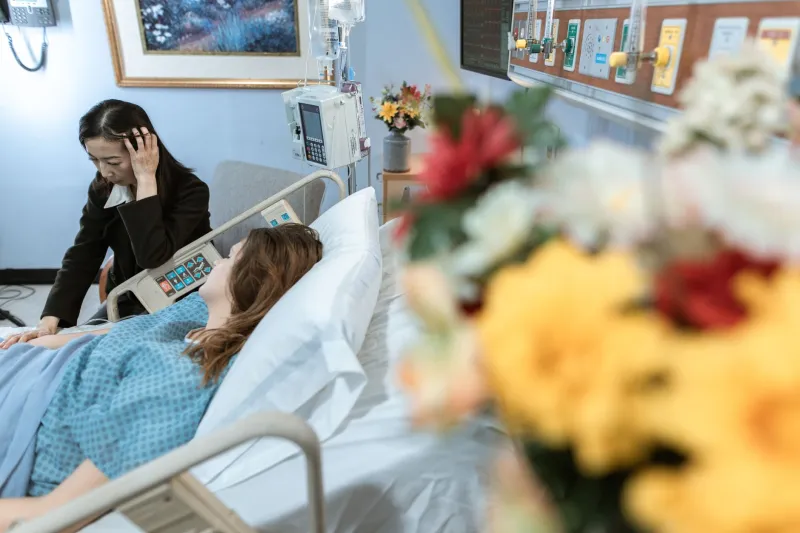
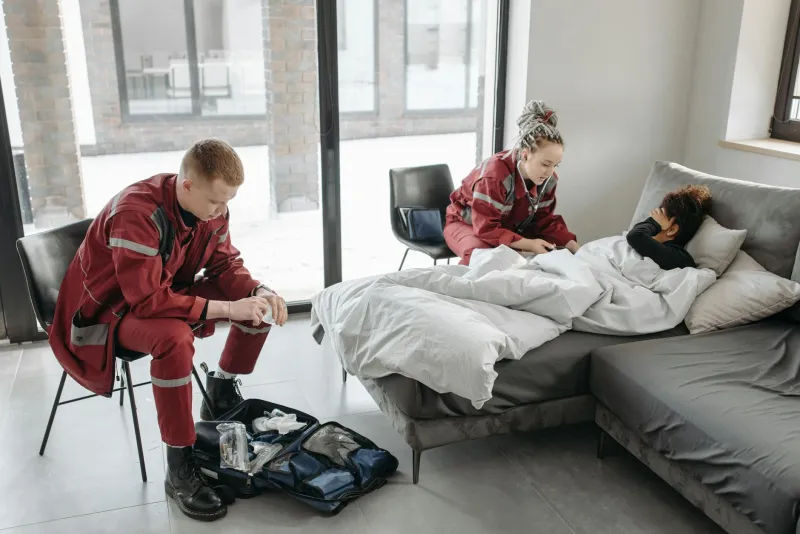
It's 2:47 AM, and you're wide awake, convinced that the slight pain in your side is either nothing or the beginning of the end. Your phone glows with WebMD tabs, Reddit threads, and symptom checkers that somehow always conclude with "seek immediate medical attention." You've gone from a minor concern to full-blown panic in less than twenty minutes.
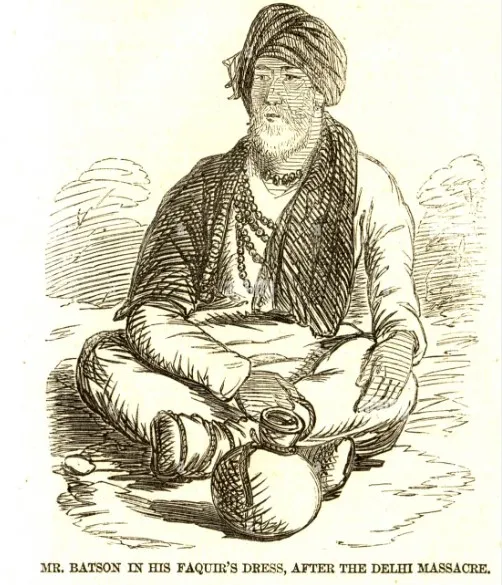
Your grandfather never experienced this particular form of torture. When he felt unwell, he had exactly one option: call Dr. Morrison, who'd delivered half the neighborhood and knew three generations of family medical history by heart.
 Photo: Dr. Morrison, via jcraigmorrisonmd.com
When Health Information Had Office Hours
In 1960s America, medical knowledge lived behind professional doors. Your family doctor was your gateway to health information, and that gate had specific hours. Dr. Morrison might have made house calls for serious concerns, but for everything else, you waited until Tuesday at 10 AM for your appointment.
This wasn't a limitation—it was a feature. Americans trusted their doctors implicitly because they had no choice but to trust them. Medical information wasn't democratized; it was gatekept by professionals who'd spent decades building relationships with their patients.
When Mrs. Henderson worried about her persistent cough, she didn't spiral through seventeen different diagnostic possibilities online. She called Dr. Morrison's office, described her symptoms to his nurse, and either got reassurance or an appointment. The conversation lasted three minutes, not three hours.
The Information Revolution That Never Sleeps
Today's health landscape offers unprecedented access to medical knowledge. We carry medical libraries in our pockets, can video chat with doctors across the country, and track everything from our heart rate to our sleep cycles. Apps promise to diagnose skin conditions through photos and predict illness before symptoms appear.
This sounds revolutionary—and in many ways, it is. Emergency symptoms get recognized faster. Rare conditions find communities of support. Medical second opinions come from specialists thousands of miles away.
But something unexpected happened when we democratized medical information: we didn't become calmer about our health. We became more anxious.
The Anxiety Spiral of Infinite Information
Modern Americans spend an average of 52 minutes per week researching health symptoms online. That's nearly five hours per month diving into medical rabbit holes that previous generations never knew existed. We've traded the certainty of limited information for the paralysis of unlimited possibilities.
Every headache becomes a potential brain tumor. Every skin mark gets compared to melanoma photos. Every unusual sensation sends us spiraling through increasingly dire diagnostic possibilities, each more terrifying than the last.
The internet doesn't just provide information—it provides every possible interpretation of that information, from the mundane to the catastrophic. Without medical training to filter these possibilities, we default to worst-case scenarios.
When Pharmacists Were Health Counselors
Before WebMD, Americans had another trusted health resource: the neighborhood pharmacist. Charlie at Rexall Drug knew your family's medical history, your chronic conditions, and your medication interactions. He was part healthcare provider, part counselor, part friend.
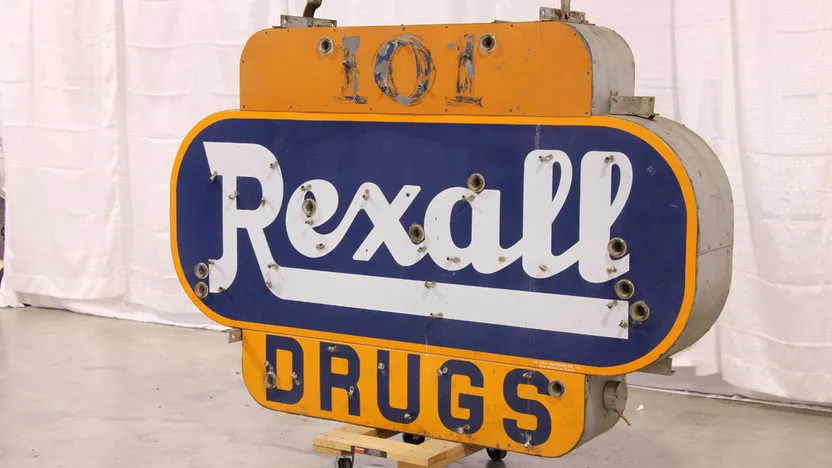 Photo: Rexall Drug, via cdn1.mecum.com
When you felt under the weather, Charlie might recommend rest, suggest an over-the-counter remedy, or gently advise you to see the doctor. His recommendations carried weight because they came with decades of experience and personal knowledge.
Today's pharmacy experience offers clinical efficiency but little personal connection. The pharmacist might be excellent, but they're processing hundreds of prescriptions daily, not building relationships with neighborhood families.
The Trust Deficit in Modern Healthcare
Our grandparents' generation enjoyed something we've largely lost: medical certainty through trusted relationships. When Dr. Morrison said not to worry, people didn't worry. His word was final because his expertise was unquestioned and his relationship with patients was personal.
Modern healthcare offers more accurate diagnoses, better treatments, and improved outcomes. But it often lacks the personal trust that once provided emotional comfort alongside medical care. We see different doctors for different concerns, rotate through urgent care centers, and rarely develop the deep professional relationships that once anchored medical confidence.
This trust deficit drives us online, seeking the certainty that personal medical relationships once provided. But Google can't replicate Dr. Morrison's reassuring presence or Charlie's knowing nod.
The Paradox of Medical Progress
We live in the safest, healthiest era in human history. Life expectancy has increased, childhood mortality has plummeted, and diseases that once meant certain death are now manageable chronic conditions. Yet Americans report higher levels of health anxiety than ever before.
This paradox reveals something profound about human nature: sometimes more information creates more worry, not more peace. Our ancestors might have lived with greater medical uncertainty, but they also slept better at night.
Finding Balance in the Information Age
The goal isn't to return to the medical limitations of 1960, but to recapture some of the emotional security that era provided. This might mean establishing stronger relationships with primary care physicians, learning to distinguish reliable medical sources from anxiety-inducing symptom checkers, or simply recognizing when 2 AM is not the ideal time for medical research.
Our health information revolution succeeded beyond anyone's wildest dreams. Now we need to learn how to live with that success without losing our minds—or our sleep—in the process.