The Lunch Room That Changed Everything
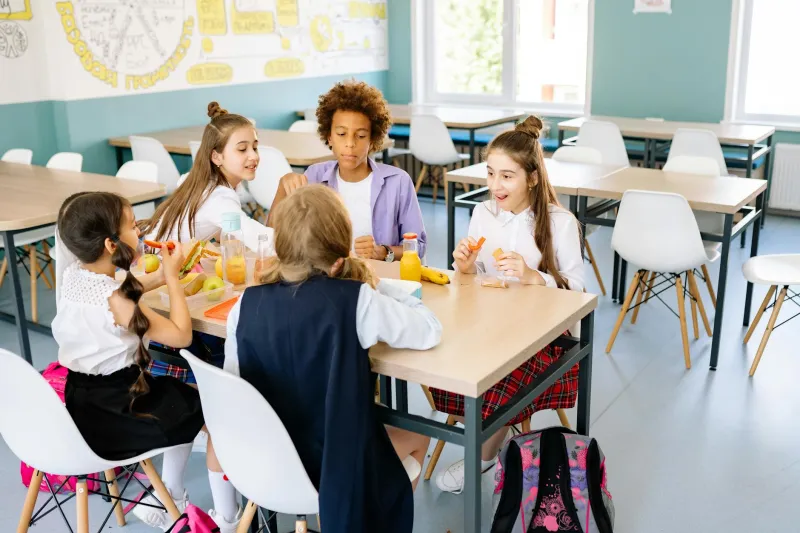
Walk into any American elementary school today and you'll see signs that would have baffled teachers from the 1980s. "Nut-Free Zone." "Please wash hands before entering." "EpiPens stored in main office." What was once the most carefree part of a child's day—lunch—has become a carefully orchestrated medical event.
Your parents traded peanut butter and jelly sandwiches at recess without giving it a second thought. Today, that same innocent swap could trigger a 911 call.
The numbers tell an extraordinary story. In 1980, severe food allergies in children were so rare that most schools didn't have protocols for handling them. Today, roughly 8% of American children—about one in thirteen—have food allergies severe enough to cause life-threatening reactions. Peanut allergies alone affect about 2% of children, a rate that has more than tripled since the 1990s.
When Allergies Weren't Even a Word Kids Knew
For previous generations, the concept of a "food allergy" barely existed in everyday vocabulary. Sure, some people got stomach aches from milk or broke out in hives from shellfish, but the idea that a trace amount of peanut dust could send a child to the emergency room was virtually unknown.
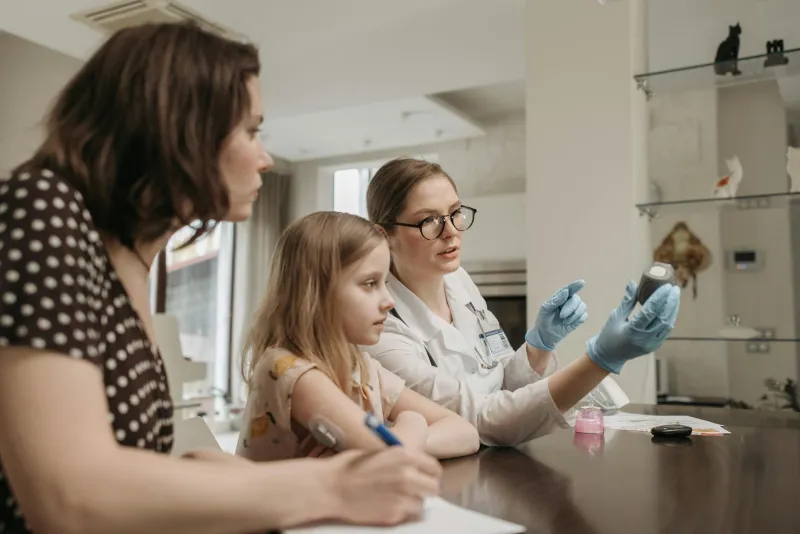
School nurses from the 1970s and 80s recall their biggest concerns being scraped knees and the occasional asthma inhaler. The elaborate emergency action plans that now accompany allergic children—complete with photos, emergency contacts, and step-by-step epinephrine instructions—simply didn't exist.
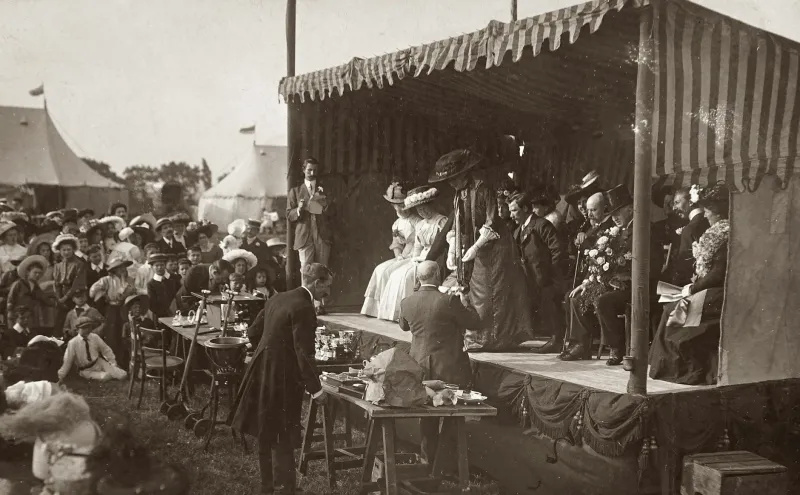
Lunch ladies served whatever was on the menu. Birthday parties featured homemade treats from unknown kitchens. Halloween candy was traded freely between neighbors. The infrastructure of modern allergy management—from ingredient labels to cross-contamination warnings—hadn't been invented because it wasn't needed.
The Rise of the EpiPen Generation
The EpiPen, now as common in American schools as fire extinguishers, wasn't even available for civilian use until 1987. Before that, severe allergic reactions were treated in hospital emergency rooms, if at all. The idea that six-year-olds would carry life-saving medication in their backpacks was unthinkable.
By the 2000s, everything had changed. Schools began implementing strict allergy policies. Cafeterias started offering "allergen-free" tables. Some districts banned certain foods entirely. Parent volunteers had to complete training courses before helping with classroom parties.
The transformation wasn't just medical—it was cultural. A generation of parents learned to read ingredient labels with scientific precision. Play dates required detailed discussions about safe foods. Air travel became a negotiation with flight attendants about peanut service.
The Great Allergy Mystery
What caused this dramatic shift? Scientists have proposed several theories, but no single explanation accounts for the complete picture.
The "hygiene hypothesis" suggests that modern American children grow up too clean. Our ancestors were exposed to dirt, germs, and a wider variety of foods from infancy. Their immune systems learned to distinguish between real threats and harmless proteins. Today's sanitized environments might leave immune systems confused and hypervigilant.
Food processing changes offer another clue. The way Americans produce, store, and prepare food has transformed dramatically. Highly processed foods contain additives and preservatives that didn't exist in previous generations. The proteins in modern peanuts—often roasted at higher temperatures—may be more allergenic than those our grandparents consumed.
Timing matters too. American babies today are often introduced to solid foods later and in smaller varieties than in the past. Recent research suggests that early exposure to potential allergens might actually prevent allergies—the opposite of what parents were told for decades.
The New Normal of Vigilant Parenting
The rise of food allergies has fundamentally reshaped American childhood. Parents who never thought twice about grabbing snacks at the corner store now spend twenty minutes reading labels at the grocery store. Birthday party invitations include detailed ingredient lists. Summer camps require medical forms that would have seemed excessive to previous generations.
Schools have become medical facilities by necessity. Teachers receive training on recognizing allergic reactions. Cafeteria workers follow protocols that rival those in hospital kitchens. Some schools employ full-time nurses specifically to manage the growing number of children with life-threatening allergies.
The psychological impact extends beyond the allergic children themselves. Entire classrooms learn to think about food as potentially dangerous. Five-year-olds know words like "anaphylaxis" and "epinephrine." The carefree food sharing that characterized childhood for generations has been replaced by careful supervision and constant awareness.
A Generation Apart
Perhaps the most striking change is how different childhood experiences have become within the same families. Grandparents watch in bewilderment as their grandchildren navigate a world of food restrictions they never imagined. The casual approach to eating that defined their own children's upbringing now seems reckless and dangerous.
This isn't just about medical progress or increased awareness. Something fundamental changed in how American children's immune systems respond to food. Whether that change represents a tragic loss of resilience or an unfortunate side effect of modern life, the result is the same: a generation of children who must navigate a world where lunch can be life-threatening.
The transformation happened so quickly that we're still adapting. Schools that once celebrated diversity with international food festivals now struggle to accommodate children who can't be in the same room as certain cuisines. The simple act of eating—once the most basic human pleasure—has become, for many families, a carefully managed medical event.
In just four decades, America went from a country where food allergies were medical curiosities to one where they're a defining feature of childhood. The lunch tables tell the story: what was once a place of carefree sharing has become a zone of careful separation, where children learn early that some foods aren't just disliked—they're dangerous.