The Bedroom Revolution Nobody Asked For
Your grandfather didn't need a sleep tracker to tell him he was tired. He didn't require white noise machines, blackout curtains, or a $400 weighted blanket to fall asleep. When darkness fell, he went to bed. When morning came, he got up. Sleep wasn't a problem to solve—it was just something that happened.
Today, Americans spend over $30 billion annually trying to buy back something their ancestors got for free. We track our REM cycles, optimize our sleep environments, and consume podcasts about the science of rest. We've turned the most natural human activity into a complex optimization challenge.
The transformation reveals something profound about how dramatically American life has changed. We didn't just lose our ability to sleep well—we lost our trust that our bodies know how to rest.
When Bedtime Was Determined by Sunlight
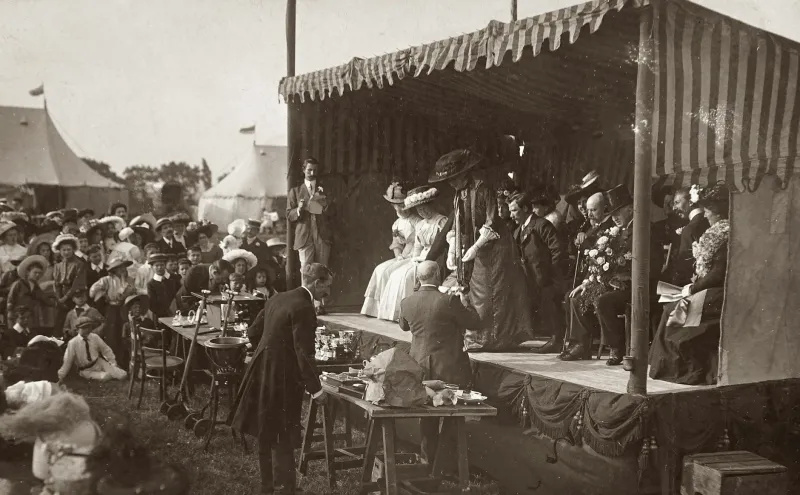
Before the widespread adoption of electric lighting in the early 1900s, American sleep patterns followed natural rhythms that had governed human rest for thousands of years. People typically went to bed within a few hours of sunset and woke at dawn. There were no late-night television shows, no social media feeds, no 24-hour work schedules.
Sleep wasn't something you thought about—it was something you did. Families shared bedrooms, and sometimes even beds, without worrying about sleep hygiene or optimal temperature control. The concept of insomnia existed, but it was considered a medical condition, not a lifestyle epidemic.
Farmers and laborers fell asleep easily because their days involved physical work and natural light exposure. Their sleep was deep and restorative not because they had perfect mattresses, but because their bodies were genuinely tired and their circadian rhythms were aligned with the earth's rotation.
The Industrial Revolution's Sleep Disruption
The first crack in America's natural sleep patterns came with industrialization. Factory work meant shift schedules that ignored natural light cycles. Electric lighting allowed people to stay awake long past sunset. Cities never truly got dark, and the night shift became a permanent feature of American work life.
By the 1950s, television had entered American homes, extending waking hours even further. Families gathered around TV sets well into the evening, exposing themselves to bright screens that their brains interpreted as daylight. The average bedtime began shifting later, even as work schedules remained early.
But even then, sleep problems were relatively rare. People complained about being tired, but they didn't spend hundreds of dollars on solutions. The idea that you needed special equipment to sleep would have seemed absurd.
The Birth of the Sleep Industry
The modern sleep industry emerged gradually, then exploded. In the 1970s, researchers began studying sleep disorders in clinical settings. Sleep apnea was identified and treated. Insomnia was recognized as a widespread problem rather than an individual failing.
The 1980s brought the first commercial sleep aids beyond basic over-the-counter medications. Memory foam mattresses promised better rest through technology. The 1990s introduced sleep studies and CPAP machines for sleep apnea sufferers.
But the real transformation happened in the 21st century. Suddenly, Americans were bombarded with sleep optimization advice. Sleep became a performance metric, something to hack and improve rather than simply experience.
The Age of Sleep Anxiety
Today's sleep industry feeds on anxiety as much as exhaustion. Americans don't just want to sleep—they want to sleep perfectly. We track our sleep stages with wearable devices, analyzing data that tells us whether our rest was "efficient" or "restorative."
The modern bedroom has become a high-tech sanctuary. White noise machines block out sounds that previous generations simply ignored. Blackout curtains eliminate every photon of light. Temperature-controlled mattresses maintain precise sleeping conditions. Some people wear special glasses to block blue light, take melatonin supplements, and use apps that gradually dim their lights according to circadian science.
The irony is profound: the more we try to optimize our sleep, the more anxious we become about it. Sleep tracking apps show us data that makes us worry about sleep quality we might not have noticed otherwise. The pursuit of perfect rest has become a source of stress.
What Changed in American Life
Several factors conspired to break America's relationship with natural sleep:
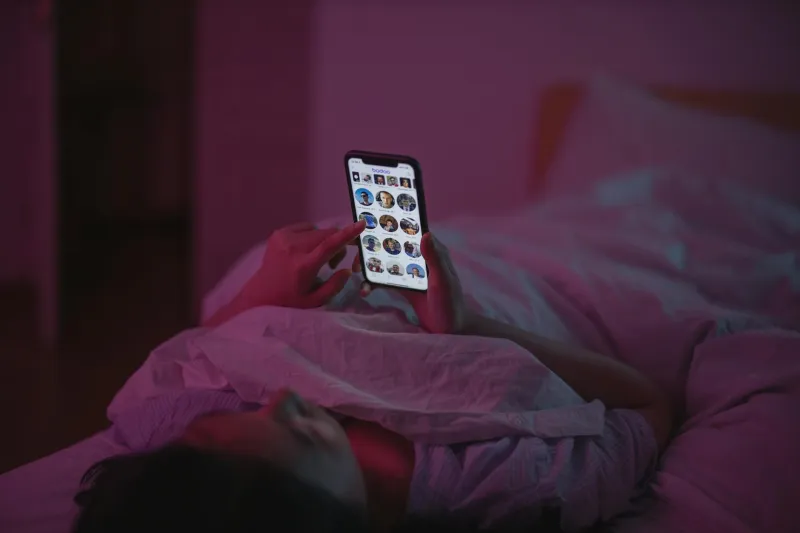
Screen ubiquity: The average American now spends over seven hours daily looking at screens. The blue light from phones, tablets, and computers suppresses melatonin production, making it harder to fall asleep naturally.
Always-on culture: Modern American life operates 24/7. Emails arrive at midnight. Social media feeds never sleep. The pressure to be constantly available has eroded the boundaries that once protected rest time.
Caffeine consumption: Americans now consume more caffeine than any generation in history. Coffee shops operate around the clock, energy drinks fuel late-night work sessions, and many people consume caffeine well into the evening.
Sedentary lifestyles: Physical exhaustion—the kind that made previous generations fall asleep easily—is rare in modern America. Many people spend entire days sitting, leaving their bodies physically under-stimulated even as their minds race.
Urban light pollution: American cities never truly get dark. The constant ambient light disrupts natural circadian rhythms, making it harder for bodies to recognize when it's time to sleep.
The Commodification of Rest
What's most remarkable about the modern sleep industry is how it's convinced Americans that rest requires purchasing solutions. Previous generations made do with whatever mattress they could afford, slept in rooms that weren't perfectly climate-controlled, and managed just fine.
Today's sleep industry offers products for problems that didn't exist forty years ago. Special pillows for side sleepers. Mattresses with "zones" for different body parts. Sleep apps that play specific frequencies to enhance deep sleep. Supplements that promise to regulate circadian rhythms.
The wellness industry has transformed sleep from a natural biological function into a luxury lifestyle product. Good sleep is now something you buy rather than something you simply do.
The Search for What We Lost
Perhaps the most telling aspect of America's sleep crisis is how desperately we're trying to recreate conditions that once occurred naturally. We buy expensive machines to generate the white noise that previous generations got from crickets and wind. We install blackout curtains to simulate the darkness our ancestors experienced before electric lights. We take melatonin supplements to replace the hormones our bodies produced naturally when we weren't exposed to screens all evening.
The sleep industry is essentially selling us solutions to problems created by modern life. We broke our natural sleep patterns through technology, urbanization, and cultural changes, then developed an entire economy around fixing what we damaged.
Your grandfather didn't sleep better because he was tougher or had superior genetics. He slept better because his environment supported natural rest. His days involved physical activity and natural light. His evenings were dark and quiet. His mind wasn't stimulated by screens or stressed by constant connectivity.
The $30 billion sleep industry exists because we've created a world that fights against one of our most basic biological needs. We've turned sleep into a problem that requires expert solutions, when for most of human history, it was simply what happened when you got tired and the sun went down.
The real question isn't how to optimize our sleep—it's whether we can create lives that don't require optimization in the first place.