The Doctor Will Guess Now: When America's Medical Mysteries Took Months to Solve
When Your Body Was a Black Box
Picture this: It's 1965, and you've been experiencing mysterious abdominal pain for weeks. Your doctor listens to your symptoms, presses on your stomach, and orders a few basic blood tests. The X-ray shows... shadows. Maybe something, maybe nothing. "We'll need to keep an eye on this," becomes the most dreaded phrase in American medicine.
Back then, looking inside the human body was like trying to solve a jigsaw puzzle with half the pieces missing. Doctors were brilliant detectives, but they were working with 19th-century tools in a 20th-century world.
The Art of Medical Guesswork
Dr. Robert Chen, who practiced in Chicago during the 1970s, recalls the frustration: "We'd have patients come in with headaches, and we'd have to rule out everything from stress to brain tumors using nothing but our hands and basic X-rays. Sometimes we got lucky. Sometimes we didn't."
The diagnostic process was painfully slow and often wrong. A suspicious lump meant surgery to find out what it was. Chest pain could indicate anything from heartburn to a heart attack, and the only way to know for sure was to wait and see what happened next. Emergency rooms were filled with doctors making educated guesses about internal injuries after car accidents, often discovering the extent of damage only when it was too late.
Women's health was particularly affected. Ovarian cysts, endometriosis, and other gynecological conditions often went undiagnosed for years because there was simply no way to see what was happening inside without invasive procedures.
The X-Ray Revolution That Wasn't Quite Enough
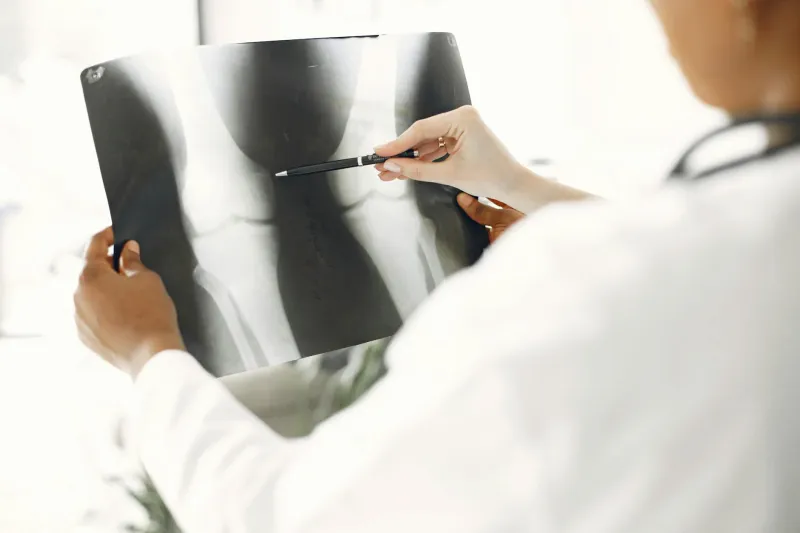
X-rays, discovered in 1895, were revolutionary for their time. Suddenly, doctors could see broken bones and detect some abnormalities. But X-rays only showed hard tissues clearly. Soft tissues, organs, and blood vessels remained largely invisible. A chest X-ray might reveal advanced lung cancer, but by then, treatment options were limited.
"We called it 'shadow reading,'" explains Dr. Margaret Torres, a radiologist who transitioned from film X-rays to digital imaging. "We'd stare at these black and white images, looking for subtle changes in density. A lot of diagnoses were really educated guesses based on patterns we'd seen before."
When Exploratory Surgery Was the Only Answer
The phrase "exploratory surgery" was common in American hospitals through the 1980s. Surgeons would literally open patients up to see what was wrong—a practice that seems almost barbaric today. These procedures carried significant risks, and patients often faced weeks of recovery just to get a diagnosis.
Appendectomies were particularly tricky. Doctors had to rely on physical symptoms and blood tests to diagnose appendicitis, leading to numerous unnecessary surgeries and, conversely, ruptured appendixes when doctors waited too long to be sure.
The Imaging Revolution Changes Everything
The introduction of CT scans in the 1970s and MRI machines in the 1980s transformed American medicine overnight. Suddenly, doctors could see inside the body with unprecedented clarity. A brain tumor that would have required invasive testing to diagnose could now be spotted in a 20-minute scan.
"The first time I saw an MRI image of a patient's spine, I knew everything had changed," recalls Dr. James Patterson, an orthopedic surgeon from Denver. "We could see herniated discs, pinched nerves, everything. Patients who had been suffering for months finally had answers."
Today's Medical Crystal Ball
Today's imaging technology would seem like magic to doctors from the 1960s. A modern emergency room can diagnose a stroke within minutes, identify internal bleeding from a car accident before the patient even arrives, and detect cancers when they're still treatable.
Ultrasounds let expectant parents see their babies in real-time, something that was impossible just decades ago. Advanced MRI techniques can now map brain activity, showing not just structure but function. CT angiograms can reveal blocked arteries without invasive cardiac catheterization.
The Human Cost of Uncertainty
The transformation isn't just about technology—it's about peace of mind. Families no longer spend months wondering if a loved one has cancer. The phrase "we need to do more tests" has evolved from a months-long ordeal to a same-day process.
Consider the psychological toll of uncertainty. Patients in the 1970s often lived with mysterious symptoms for months or years, not knowing if they were dying or dealing with something minor. Today, most diagnostic mysteries can be solved within days, if not hours.
The Price of Progress
This diagnostic revolution hasn't come without costs. Modern imaging is expensive, and some argue it has led to over-testing and increased healthcare costs. But for the millions of Americans whose lives have been saved by early detection, the trade-off seems worthwhile.
The next time you complain about waiting 20 minutes for an MRI, remember when getting answers about your health was measured in months, not minutes. In the span of just a few decades, American medicine went from educated guessing to seeing inside the human body with extraordinary precision—a change that has quietly revolutionized how we live, age, and survive.