Remarkably Changed Home

Category

Health

37 articles

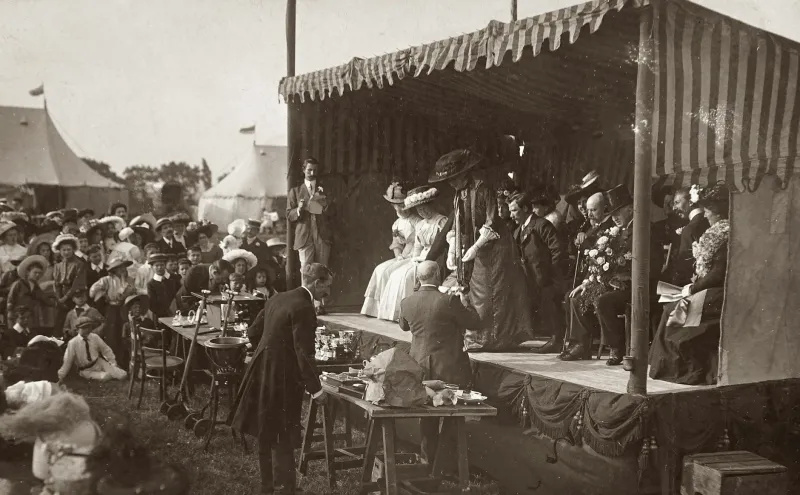
The Good Death We Traded Away: How Modern Medicine Transformed Dying Into a Medical Event

The Good Death We Traded Away: How Modern Medicine Transformed Dying Into a Medical Event

For most of human history, Americans died at home surrounded by family, with death treated as a natural passage rather than a medical failure. Then hospitals promised to save us — and they did, more than we ever imagined. But somewhere in the miracle of extended survival, the experience of dying became something most people now fear more than death itself.

The Fish Tank, the Faded Magazines, and the Long Wait Nobody Planned For

The Fish Tank, the Faded Magazines, and the Long Wait Nobody Planned For

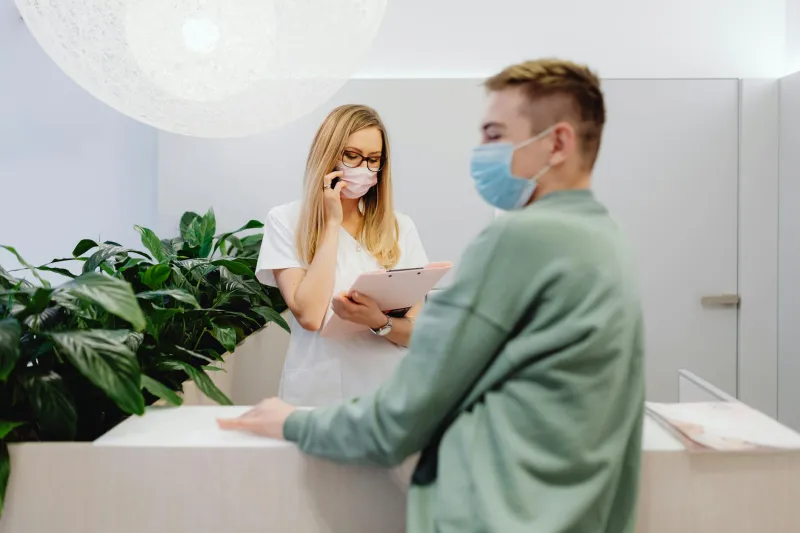
There was a time when visiting your doctor felt more like stopping by a neighbor's house than navigating a corporate intake process. Somewhere between the handwritten appointment books of the past and today's digital check-in kiosks, the waiting room became a place people genuinely dread.

The Teenage Volunteer Who Made Hospitals Feel Like Home

The Teenage Volunteer Who Made Hospitals Feel Like Home

American hospitals once buzzed with familiar faces—teenagers in striped uniforms, church ladies with homemade cookies, and neighbors who knew your family's story. Today's sterile, secure medical facilities have gained efficiency but lost the human touch that once made healing feel possible.

When America's Exercise Happened by Accident

When America's Exercise Happened by Accident

Your grandfather burned 3,000 calories a day without ever thinking about fitness. His commute was a walk, his job involved lifting, and his errands required actual steps. Modern Americans pay gym memberships to recreate the movement that used to happen automatically.

When Doctors Made House Calls and Knew Your Middle Name

When Doctors Made House Calls and Knew Your Middle Name

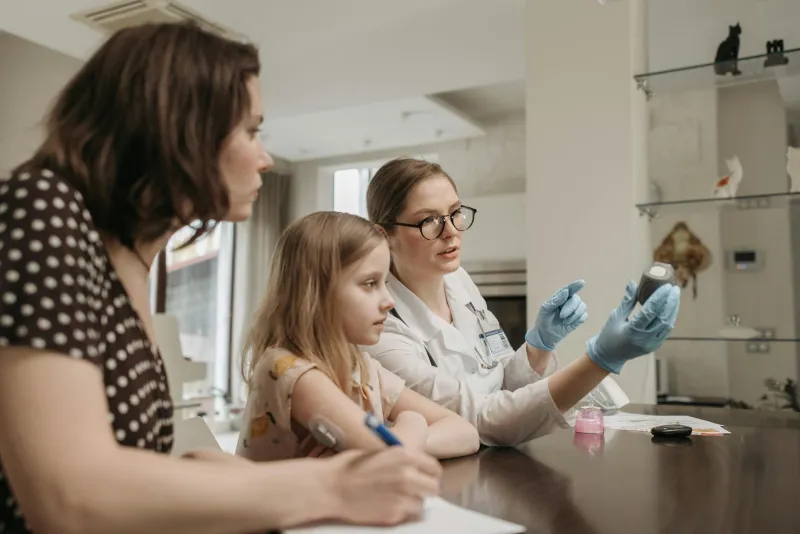
Your grandfather's doctor delivered him, treated his appendicitis, and attended his wedding. Today's patients see a different face every visit and get 11 minutes to explain decades of symptoms. The transformation of American medicine from personal relationships to efficient transactions changed everything about how we heal.

Childbirth's Dramatic Transformation: From Lethal to Safe—and Back to Dangerous Again

Childbirth's Dramatic Transformation: From Lethal to Safe—and Back to Dangerous Again

In 1920, childbirth was genuinely perilous—one of the leading causes of death for women in their prime years. By 1980, medical advances had made it remarkably safe. But in recent decades, the United States has done something almost unthinkable: it's watched maternal mortality rates climb again, even as other developed nations improved. The story of American childbirth reveals both how far medicine has come and how far we've fallen.

The Retirement Calculation That No Longer Adds Up: Why Your Grandparents' Math Broke

The Retirement Calculation That No Longer Adds Up: Why Your Grandparents' Math Broke

In 1970, a 65-year-old American could reasonably retire on Social Security and modest savings. Today, that same calculation is fantasy. The gap between what people have saved and what they actually need has become a crisis—driven by longer lives, skyrocketing healthcare costs, and an economy that no longer rewards steady work the way it once did.

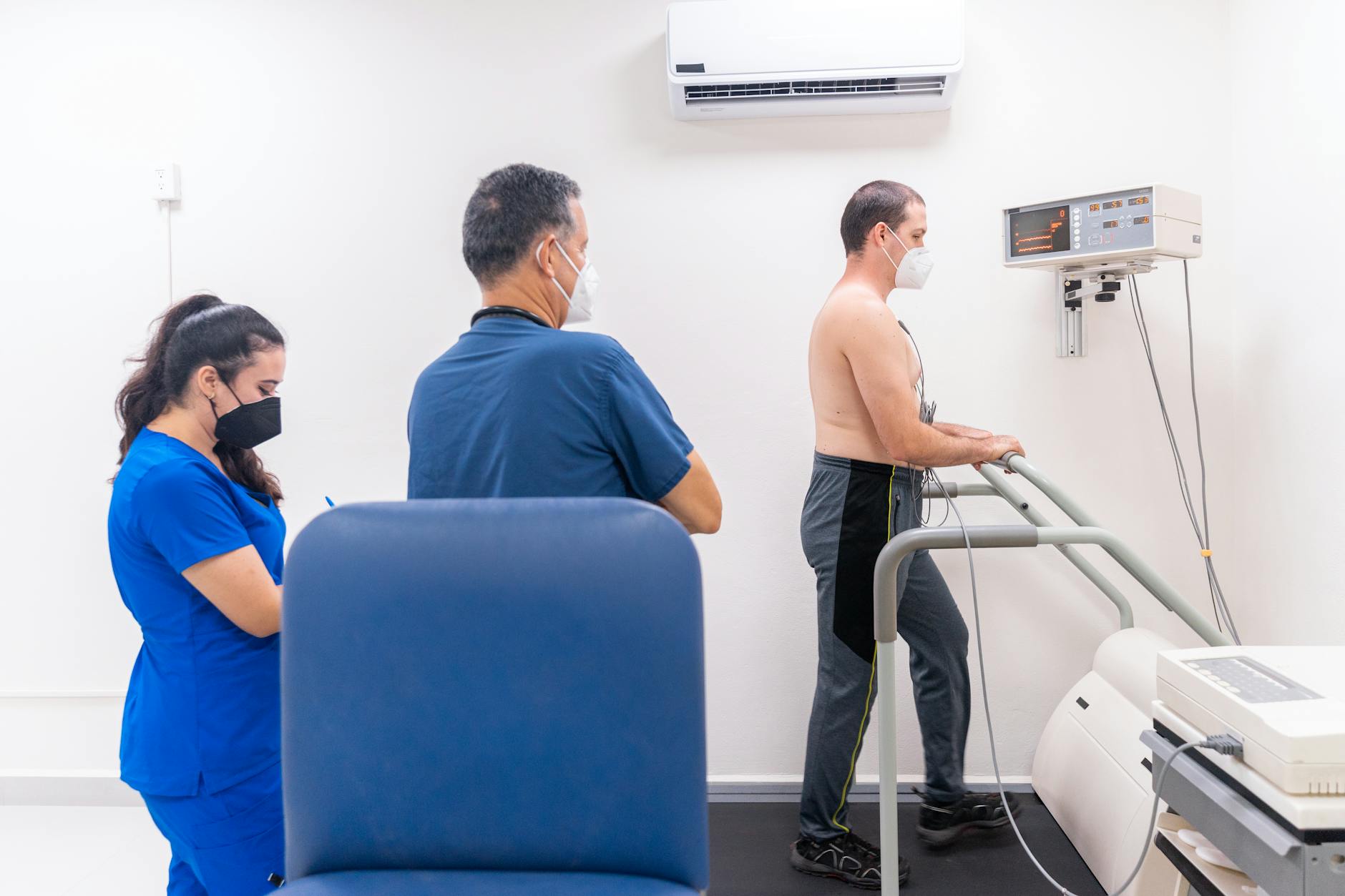
A Heart Attack in 1972 Was a Death Sentence. Today It Doesn't Have to Be.

A Heart Attack in 1972 Was a Death Sentence. Today It Doesn't Have to Be.

Fifty years ago, a cardiac event often meant you didn't make it home from the hospital — if you made it to the hospital at all. The transformation in how we treat heart attacks since then is one of the most quietly extraordinary stories in modern medicine. Here's how dramatically the odds have shifted.