When Your Pastor Was Your Therapist: How America Outsourced the Human Soul

The Kitchen Table Psychiatrist
Mrs. Eleanor Patterson never had a license to practice therapy, but for thirty years, her kitchen table served as the unofficial counseling center for half of Millerville, Ohio. Neighbors arrived with casseroles and left their troubles behind, finding solace in coffee, conversation, and the kind of listening that didn't require a co-pay or a six-week waitlist.
 Photo: Eleanor Patterson, via www.campact.de
 Photo: Millerville, Ohio, via www.thespruceeats.com
This wasn't unique to small-town America. Across the country, from urban apartment buildings to rural farmhouses, informal networks of family, friends, clergy, and community members absorbed the emotional crises that today get filtered through intake assessments, insurance pre-approvals, and DSM-5 diagnoses.
The Invisible Mental Health System
In 1980, fewer than 3% of Americans had ever seen a mental health professional. Today, that number has skyrocketed to over 20%, with millions more on waiting lists. But this dramatic increase raises an uncomfortable question: were Americans in 1980 suffering in silence, or did they have access to support systems that we've systematically dismantled?
The answer lies in understanding how communities once functioned as organic mental health networks. The local priest who knew every family's struggles. The family doctor who treated both pneumonia and heartbreak during the same house call. The beauty salon where women processed their divorces alongside their perms. The barbershop where men discussed their fears between haircuts.
These weren't trained therapists, but they provided something that today's clinical model often struggles to deliver: immediate availability, deep community knowledge, and support embedded in daily life rather than scheduled around it.
When Grief Had Rituals, Not Diagnosis Codes
Consider how Americans once handled what we now call depression. When someone lost a spouse, the community mobilized with a precision that would impress modern crisis intervention teams. Neighbors brought meals for weeks. Church members organized rotating visits. Extended family absorbed children temporarily. The bereaved weren't left to navigate insurance networks or locate grief counselors — support materialized automatically.
Anxiety, too, was managed differently. The worried mother found comfort in daily phone calls with her sister. The overwhelmed father talked through his fears with his brother-in-law over weekend fishing trips. What we now pathologize as "generalized anxiety disorder" was often soothed through routine social connections that required no appointments, no diagnoses, and no treatment plans.
The Medicalization of Human Experience
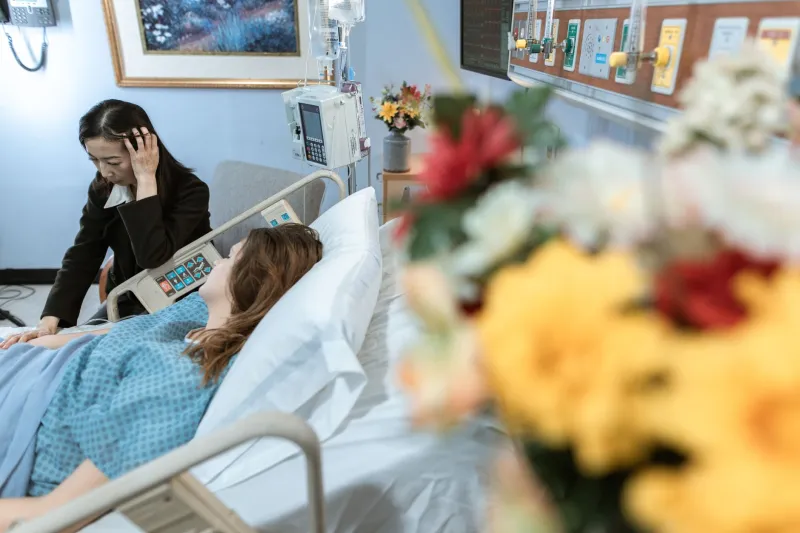
The shift began in the 1970s when psychology moved from university research labs into mainstream healthcare. Insurance companies started covering mental health services. The number of licensed therapists multiplied exponentially. What had once been handled through informal community support began requiring professional intervention.
This transformation brought genuine benefits. People with serious mental illnesses gained access to evidence-based treatments. Stigma around seeking help began to diminish. Therapy provided safe spaces for individuals to explore trauma, relationship patterns, and personal growth in ways that kitchen table conversations couldn't always address.
But the medicalization of emotional struggle also created new problems. Ordinary life difficulties — job stress, relationship conflicts, parenting challenges — began requiring professional diagnosis and treatment. The informal support networks that had sustained communities for generations started to atrophy as people increasingly turned to licensed professionals for guidance.
The Waiting List Generation
Today's Americans face a mental health paradox their grandparents never encountered: widespread acceptance of therapy alongside unprecedented barriers to accessing it. The average wait time for a mental health appointment has stretched to six weeks in many areas. Insurance coverage remains spotty. The cost of therapy puts regular sessions out of reach for millions.
Meanwhile, the informal support systems that once provided immediate emotional relief have largely disappeared. Extended families live scattered across time zones. Religious attendance has plummeted. Neighborhood connections have weakened. The very communities that once absorbed human suffering have been replaced by professional services that many can't afford or access.
What We Lost in Translation
The kitchen table conversations, church confessionals, and family doctor heart-to-hearts weren't perfect. Some people suffered in silence due to stigma or lack of understanding about serious mental illness. Domestic violence, addiction, and severe depression often went untreated. The old system worked better for some people than others.
But those informal networks provided something that today's clinical model struggles to replicate: integration into daily life. Support was embedded in routine activities rather than scheduled around them. Help came from people who knew your history, your family, your community context. Recovery happened within relationships rather than in isolation.
The Hybrid Solution
Some communities are experimenting with models that combine professional expertise with community connection. Peer support groups, faith-based counseling programs, and community mental health initiatives attempt to rebuild the social infrastructure that once sustained emotional well-being while incorporating modern understanding of mental health.
These programs recognize that while professional therapy provides crucial services for serious mental illness, much of what Americans seek from therapists — validation, perspective, guidance through life transitions — can also be provided through trained community members, religious leaders, and peer networks.
Redefining Mental Health
The remarkable change in how Americans handle emotional struggle reflects broader shifts in community, family structure, and healthcare. We've created the most sophisticated mental health treatment system in human history — and perhaps the most isolated generation of people seeking to use it.
The question isn't whether we should abandon professional mental health services and return to relying solely on kitchen table wisdom. It's whether we can rebuild the community connections that once provided daily emotional support while maintaining access to professional care when it's truly needed.
Mrs. Patterson's kitchen table couldn't treat bipolar disorder or severe trauma. But it provided something that today's therapy culture often lacks: the understanding that healing happens best within community, that support should be immediate rather than scheduled, and that sometimes the most powerful therapy is simply being known and cared for by the people around you.
We've remarkably changed how Americans handle their emotional lives. Whether we've remarkably improved them remains a question worth exploring — preferably over coffee at someone's kitchen table.