The Teenage Volunteer Who Made Hospitals Feel Like Home

The Candy Striper Revolution
Sixteen-year-old Susan Miller arrived at Cincinnati General Hospital every Tuesday and Thursday afternoon in 1965, wearing her crisp red and white striped uniform and a smile that patients remembered long after discharge. She wasn't a nurse or a doctor's daughter—she was a candy striper, part of an army of teenage volunteers who made American hospitals feel less like institutions and more like extensions of the community.
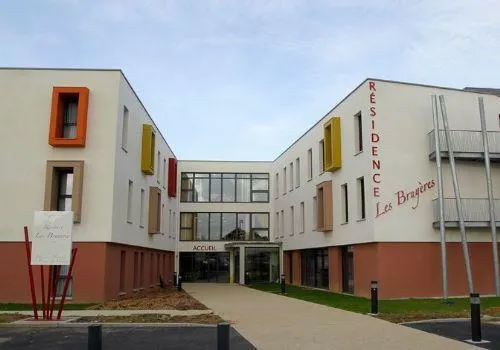 Photo: Cincinnati General Hospital, via crm.retraiteplus.fr
Susan knew Mrs. Rodriguez in room 314 liked her coffee black and worried about her garden. She remembered that Mr. Thompson in 407 had grandchildren visiting on Sundays and always asked about the baseball scores. She delivered flowers, read letters to patients who'd forgotten their glasses, and provided something that no medical degree could offer: the comfort of a familiar face who genuinely cared.
This was healthcare with a human heartbeat.
When Hospitals Had Open Doors
Walk into most American hospitals before 1980, and you'd find them bustling with volunteers. Candy stripers—named for their distinctive red and white striped uniforms—were just the beginning. Church groups organized meal deliveries. Garden clubs arranged flowers. Retired teachers read to children in pediatric wards. Local musicians performed in lobbies that felt more like community centers than medical facilities.
Visiting hours were generous, sometimes nonexistent. Families camped out in waiting rooms that welcomed them rather than merely tolerated their presence. Children ran through hallways where today they'd be stopped by security. The hospital gift shop was run by volunteers who knew every employee's birthday and every patient's preference.
Hospitals were woven into the fabric of their communities, not separate from them.
The Security State of Modern Medicine
Today's hospital experience begins with a badge, a metal detector, and a visitor's pass that expires in two hours. HIPAA regulations, liability concerns, and infection control protocols have transformed American hospitals into fortresses where volunteers are viewed as potential problems rather than community assets.
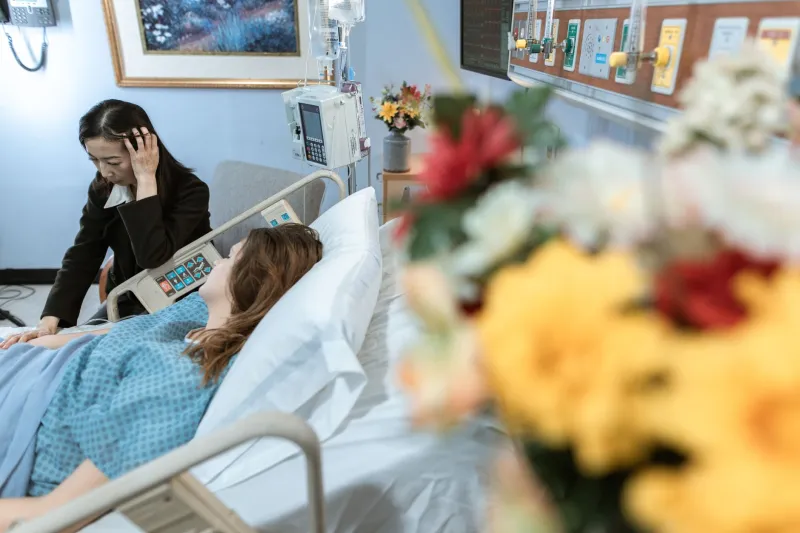
The average patient now goes days without seeing the same face twice. Nurses work twelve-hour shifts and cover more patients than ever before. Doctors spend more time documenting than conversing. The friendly faces that once provided comfort between medical procedures have been replaced by efficiency experts focused on discharge planning and bed turnover.
Volunteers still exist, but they're relegated to information desks and gift shops, kept safely away from patient care areas by regulations that prioritize protection over connection.
What the Research Reveals
Medical studies consistently show that patients recover faster when they feel connected to their caregivers and supported by their community. Yet the volunteer programs that once provided this connection have largely disappeared, victims of a healthcare system that measures success in metrics rather than moments of human kindness.
The candy striper program peaked in the 1970s with over 200,000 teenage volunteers nationwide. Today, fewer than 50,000 volunteers of all ages work in American hospitals, and most have limited patient contact. We've gained medical sophistication but lost something equally important: the healing power of human connection.
Studies of patient satisfaction consistently rank "feeling cared for" as more important than "technical competence" in overall healing outcomes. Yet modern hospitals are designed around technical competence while systematically eliminating opportunities for patients to feel genuinely cared for by their community.
The Neighborhood Hospital
St. Mary's Hospital in small-town Wisconsin in 1972 felt like an extension of Main Street. The same women who organized church potlucks coordinated patient meals. The high school students who volunteered on weekends were the same kids who mowed your lawn in summer and shoveled your driveway in winter.
When you were admitted to St. Mary's, you weren't just another patient—you were Mrs. Johnson's neighbor, or Tom's mother, or the lady who always had the best tomatoes at the farmers market. The volunteers who brought you magazines had stories about your family, updates on your garden, and reassurance that your normal life was waiting for you to get well.
This wasn't just nice—it was therapeutic. Patients who felt connected to their community recovered faster, complained less about pain, and left the hospital with stronger support networks for continued healing.
The Liability Revolution
The decline of hospital volunteers wasn't malicious—it was legal. As malpractice insurance costs soared and regulations multiplied, hospitals couldn't afford the risk of untrained volunteers making mistakes. A candy striper who delivered the wrong medication or a church lady who shared confidential information could cost a hospital millions in lawsuits.
So hospitals made a rational business decision: eliminate the risk by eliminating the volunteers. Professional staff could be trained, certified, and insured. Volunteers were unpredictable wildcards in a system that demanded predictable outcomes.
The result was safer hospitals that felt significantly less safe to the patients inside them.
The Digital Replacement
Modern hospitals have tried to replace human volunteers with digital solutions. Patient portals provide information that volunteers once shared personally. Entertainment systems offer distraction that volunteers once provided through conversation. Automated medication dispensers eliminate the human error that volunteers might introduce.
But technology can't replicate what Susan Miller provided in room 314: the assurance that someone in this sterile, frightening place actually knew you as a person rather than a diagnosis. Tablets don't ask about your grandchildren or remember that you prefer your coffee black.
The efficiency gains are measurable. The human losses are immeasurable.
What We've Learned Too Late
Recent research in healthcare psychology has confirmed what hospital administrators in 1965 knew instinctively: healing happens faster in communities than in isolation. Hospitals are now spending millions on programs designed to recreate the human connections that volunteers once provided naturally.
"Patient experience" has become a buzzword, with hospitals hiring consultants to teach staff how to connect with patients in ways that teenagers in striped uniforms once did automatically. Medical schools now include courses on bedside manner that attempt to formalize the genuine care that volunteers brought simply because they wanted to help their neighbors.
The candy striper program didn't disappear because it didn't work—it disappeared because we decided efficiency mattered more than empathy. Now we're discovering that the two aren't opposites. The most efficient healing happens when patients feel genuinely cared for by people who see them as neighbors, not just cases.
The Hospital That Forgot How to Heal
Today's American hospitals are medical marvels that can perform procedures unimaginable fifty years ago. They can replace hearts, cure cancers, and save lives that would have been lost in 1965. But they've forgotten how to make patients feel like they're being cared for by their community rather than processed by an institution.
Susan Miller's red and white stripes represented something we didn't realize we were losing: the understanding that healing involves more than medical intervention. It requires human connection, community support, and the simple comfort of knowing that someone in this scary place actually knows your name and cares about your story.
We gained medical miracles but lost medical mercy. And patients can feel the difference every day.