Mrs. Peterson Knew Every Kid's Allergy, Fear, and Middle Name: How School Nurses Became Strangers to the Children They Serve
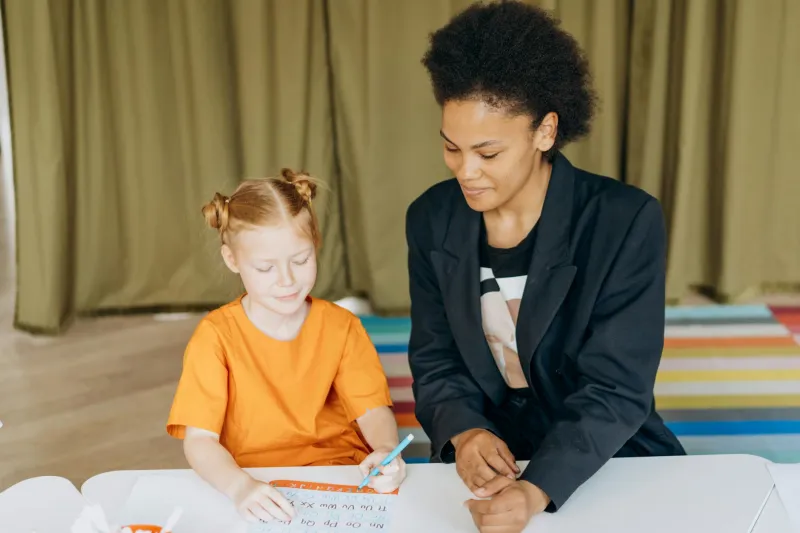
Mrs. Peterson knew that Tommy Martinez always got "sick" during math tests, that Sarah Chen's asthma flared up when her parents fought, and that little Michael Rodriguez needed his inhaler before every gym class but was too embarrassed to ask. She'd been the nurse at Lincoln Elementary for 15 years, and she knew every child who walked through her office door—not just their symptoms, but their stories.
 Photo: Mrs. Peterson, via 1.bp.blogspot.com
Today, Lincoln Elementary shares a nurse with four other schools. Children with medical emergencies wait for someone to drive over from another building, while everyday health issues get handled by whoever happens to be available. The personal touch that once made school nursing a relationship-based profession has been replaced by liability protocols and administrative efficiency.
The transformation reveals something troubling about how America prioritizes children's health in institutional settings—and what gets lost when care becomes impersonal.
When Every School Had Its Own Medical Detective
For most of the 20th century, school nurses were fixtures in American education, as familiar to students as their homeroom teachers. They typically served one school for years, sometimes decades, building relationships that allowed them to provide nuanced care that went far beyond bandages and ice packs.
These nurses became expert diagnosticians of childhood patterns. They could tell the difference between a child avoiding a bully and one developing appendicitis. They knew which students used health complaints to escape academic pressure and which ones minimized serious symptoms to avoid missing class.
Mrs. Peterson kept detailed mental files on every student. She knew that Jessica's frequent headaches coincided with her parents' divorce proceedings, that David's stomach pains were real but stress-related, and that Maria needed gentle encouragement to take her seizure medication without feeling different from her classmates.
This institutional memory allowed school nurses to catch problems early, communicate effectively with parents, and provide continuity of care that supported both physical and emotional well-being.
The Art of Childhood Medical Assessment
Experienced school nurses developed sophisticated skills for evaluating children's health complaints. Unlike hospital nurses who worked with patients for hours or days, school nurses had to make quick assessments based on limited information—and they had to be right.
They learned to read subtle cues: the child who complained of stomachaches only on Wednesdays might be struggling with a particular teacher or subject. The student who visited frequently for minor complaints might be dealing with problems at home. The typically energetic kid who seemed withdrawn could be developing depression or experiencing abuse.
These nurses also served as crucial links between families and healthcare systems. They helped parents navigate insurance issues, connected families with community health resources, and often provided the only medical oversight some children received between annual checkups.
For many students, the school nurse was their first introduction to healthcare advocacy—someone who listened to their concerns, took their symptoms seriously, and helped them understand their own bodies and health needs.
When Budget Cuts Changed Everything
The erosion of school nursing began in the 1990s as education budgets tightened. Administrators, looking for ways to cut costs without directly affecting classroom instruction, began sharing nurses across multiple schools or eliminating nursing positions entirely.
The logic seemed sound: most school health issues were minor, and serious emergencies could be handled by calling 911. Why pay for a full-time nurse when a secretary could dispense Tylenol and apply bandages?
This thinking fundamentally misunderstood what school nurses actually did. Their value wasn't just in treating emergencies—it was in preventing them, identifying problems early, and providing the kind of personalized care that comes from knowing children over time.
As nursing positions were cut or consolidated, schools began relying on rotating nurses, part-time staff, or untrained personnel to handle health issues. The relationships that had made school nursing effective were replaced by protocols and paperwork.
The Rise of Liability-Driven Care
Modern school health services operate under dramatically different constraints than they did in Mrs. Peterson's era. Fear of lawsuits has created rigid protocols that often prioritize documentation over diagnosis, compliance over care.
Today's school health staff spend significant time completing forms, following medication administration procedures, and ensuring they've met legal requirements for every interaction. The informal relationships that once allowed nurses to provide nuanced care have been replaced by formal procedures designed to limit liability.
Children with chronic conditions like diabetes or severe allergies now require detailed management plans, emergency medications, and multiple staff training sessions. While this systematic approach improves safety in some ways, it also creates barriers to the kind of flexible, responsive care that experienced nurses once provided.
What Children Lost When Nurses Became Strangers
The shift from relationship-based to protocol-driven school health care has had profound effects on how children experience medical attention. Students who once felt comfortable discussing health concerns with a familiar nurse now face strangers who may not return for weeks.
Many health issues that school nurses once handled informally—teaching proper handwashing, discussing body changes, providing emotional support during health crises—now get referred to outside professionals or simply ignored. The preventive education that happened naturally in nurse's offices has largely disappeared.
Children with chronic conditions particularly suffer from this lack of continuity. Managing diabetes, asthma, or seizure disorders requires someone who understands not just the medical protocols but the individual child's patterns, fears, and coping strategies. Rotating staff can't provide this personalized oversight.
The Paperwork Problem
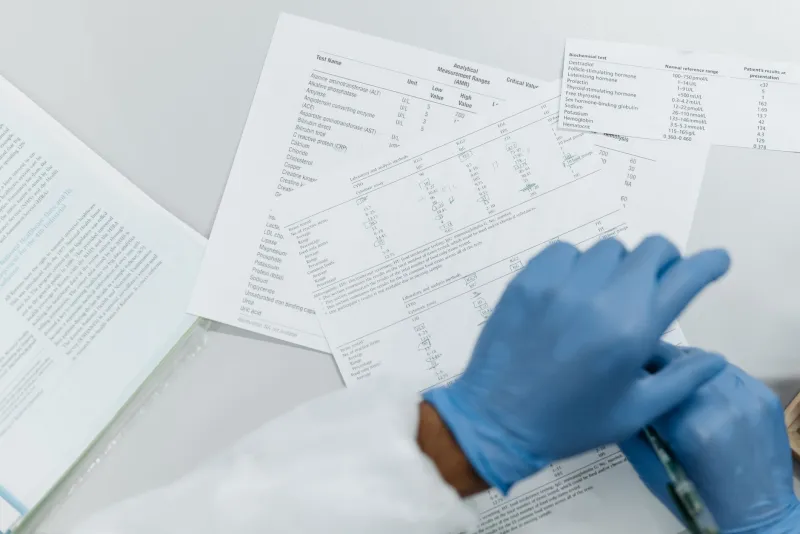
Modern school health services have become increasingly bureaucratic, with nurses spending more time on documentation than direct care. Medication administration requires detailed logs, emergency responses demand extensive reports, and chronic condition management involves multiple forms and approval processes.
While some documentation serves important purposes, the administrative burden has grown to the point where it interferes with patient care. Nurses report feeling like clerks rather than healthcare providers, managing paperwork instead of building relationships with students.
This bureaucratization has also created barriers for families. Parents must navigate complex forms and approval processes to ensure their children receive basic health support at school. Simple requests that Mrs. Peterson might have handled with a phone call now require formal submissions and administrative review.
The Mental Health Gap
Perhaps most significantly, the loss of relationship-based school nursing has created a gap in mental health support for children. School nurses once served as informal counselors, providing emotional support and identifying students who needed additional help.
The trusted adult who knew when a child's behavior changes suggested depression, family problems, or abuse has been replaced by rotating staff who see symptoms but lack the context to understand their significance. Early intervention opportunities are missed, and problems that could have been addressed informally become crises requiring formal intervention.
A New Generation of Health Advocates
Some schools are recognizing what they've lost and working to restore relationship-based health services. They're investing in full-time nurses, training staff to provide better health support, and creating systems that prioritize continuity of care.
These efforts face significant challenges—budget constraints, liability concerns, and staffing shortages—but they represent a growing understanding that children's health needs can't be met through protocols alone.
The most successful programs combine modern safety standards with the personal attention that made traditional school nursing effective. They're finding ways to maintain relationships while meeting contemporary requirements for documentation and accountability.
When Healthcare Becomes Impersonal
The transformation of school nursing reflects broader changes in how American institutions provide care. The efficiency gains from shared staffing and standardized protocols come at the cost of personal relationships and individualized attention.
For children, this shift represents a fundamental change in how they experience healthcare and adult support. Instead of learning that health concerns deserve personal attention and understanding, they encounter systems that prioritize compliance over care.
Mrs. Peterson's retirement marked the end of an era when schools provided healthcare that felt personal rather than procedural. The children she served learned that their health mattered enough for an adult to remember their names, understand their fears, and advocate for their needs.
Today's students deserve the same level of personal attention—but getting it requires recognizing that some things can't be efficiently shared, standardized, or systemized. Sometimes the most important healthcare happens when someone simply knows your name.