The Gym Your Great-Grandfather Never Needed: When America Exercised by Accident

Charles McKenna woke every morning at 5 AM in his farmhouse outside Des Moines, Iowa. Before his wife had coffee brewing, Charles had already milked four cows, hauled water from the well, chopped enough wood to heat the house, and walked a quarter-mile to check on his livestock. By the time most modern Americans would be scrolling through their phones, Charles had burned more calories than many people manage during an entire day at the office followed by an hour at the gym.
 Photo: Des Moines, Iowa, via thumbs.dreamstime.com
Charles never owned a gym membership, never tracked his steps, and never worried about his core strength. He died in 1967 at age 89 with the physique of a man half his age, having never intentionally exercised a single day in his life.
This wasn't exceptional — it was Tuesday in 1930s America.
When Life Was the Workout
Before World War II, physical fitness wasn't something Americans pursued — it was something they couldn't avoid. The average worker burned between 3,000 and 4,000 calories daily just living their normal life. Factory workers lifted, hauled, and stood for eight-hour shifts. Housewives scrubbed clothes by hand, kneaded bread from scratch, and carried water for cooking and cleaning. Children walked to school, played outside until dark, and performed daily chores that required genuine physical effort.
Even white-collar workers lived more physically demanding lives than their modern counterparts. They walked to work or stood on crowded streetcars. Office buildings had fewer elevators, so climbing stairs was routine. Lunch meant walking to a restaurant, not ordering delivery to your desk. The evening commute required more walking, and home entertainment meant activities like gardening, dancing, or playing catch with the kids.
The concept of deliberately exercising for health would have struck most Americans as absurd. Why would you intentionally lift heavy objects when your job already required it? Why would you pay to walk on a machine when you could walk outside for free? Why would you simulate farm work in a gym when actual farm work needed doing?
The Great Physical Decline
The transformation began subtly in the 1950s. Suburban development meant longer commutes by car instead of short walks to work. Labor-saving devices eliminated physical effort from household chores. Washing machines replaced washboards. Vacuum cleaners replaced carpet beating. Electric mixers replaced hand kneading. Television provided entertainment that required no physical participation.
By the 1960s, American work had shifted dramatically toward sedentary occupations. Office jobs multiplied while physical labor decreased. Elevators and escalators eliminated stair climbing. Drive-through restaurants eliminated the walk to get food. Shopping malls concentrated retail in climate-controlled environments designed for browsing, not walking long distances.
The statistics tell a stark story. In 1950, fewer than 10% of American jobs were sedentary. By 1990, more than 50% involved sitting most of the day. The average American went from burning 3,500 calories daily through normal activities to burning fewer than 2,000 — a decrease equivalent to running a marathon every three days.
The Fitness Industry's Strange Birth
As Americans' daily lives became less physically demanding, entrepreneurs recognized an opportunity. In the 1960s, Jack LaLanne pioneered television fitness programs, teaching housewives exercises to replace the physical work that modern appliances had eliminated. The first modern gyms opened, offering equipment that simulated the manual labor that mechanization had made obsolete.
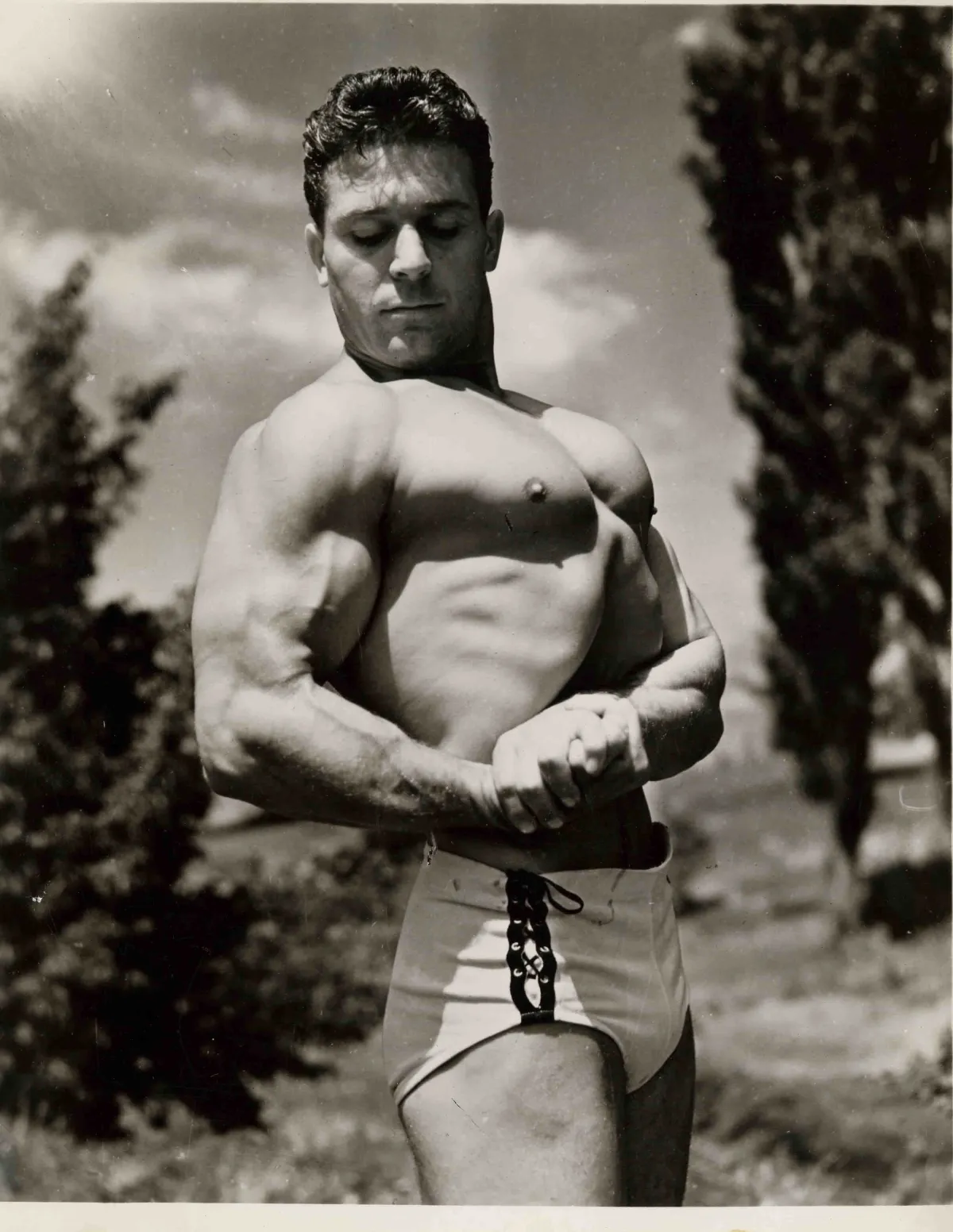 Photo: Jack LaLanne, via i.pinimg.com
The irony was remarkable: Americans began paying monthly fees to lift weights in gyms while buying electric appliances to avoid lifting anything at home. They joined health clubs to walk on treadmills while driving cars for trips their grandparents would have walked. They hired personal trainers to design exercise routines that replicated the physical challenges their ancestors faced accidentally every day.
By the 1980s, the fitness industry had exploded into a multi-billion-dollar enterprise. Health clubs promised to restore the physical conditioning that previous generations maintained effortlessly. Exercise equipment manufacturers created machines designed to simulate chopping wood, hauling water, and climbing stairs — activities that modern life had systematically eliminated.
The Technology Paradox
The 21st century accelerated both trends simultaneously. Technology made daily life even more sedentary while creating increasingly sophisticated ways to measure and gamify physical activity. Americans now sit for an average of 10 hours daily — more than they sleep — while wearing devices that track every step, monitor every heartbeat, and send notifications encouraging them to move.
Modern fitness culture has reached levels of complexity that would baffle Charles McKenna. Americans spend hundreds of dollars on gym memberships, fitness trackers, specialized clothing, and nutritional supplements to achieve physical conditioning that their great-grandparents maintained through daily survival. They schedule workouts like appointments, hire coaches to teach them how to move their bodies, and follow elaborate exercise programs designed by experts.
The average gym membership costs $600 annually — enough to buy the hand tools that would provide similar exercise through useful work. Americans pay personal trainers $75 per hour to supervise activities like lifting heavy objects and walking briskly — things previous generations did for eight hours daily as part of their jobs.
What We Lost in the Exchange
The shift from accidental to intentional exercise represents more than just a change in how Americans stay fit — it reflects a fundamental transformation in how we live. Charles McKenna's physical work served multiple purposes: it maintained his health, accomplished necessary tasks, and connected him to his environment and community.
Modern exercise, by contrast, serves a single purpose: maintaining health in an environment that no longer requires physical effort. We've created a strange situation where staying fit requires additional time, money, and effort rather than being a natural byproduct of daily life.
This separation has created new problems. Exercise becomes another item on an already overwhelming to-do list. Physical fitness requires scheduling, motivation, and often significant financial investment. Many Americans struggle to find time for deliberate exercise, leading to the paradox of a society with unprecedented access to fitness resources but declining overall physical conditioning.
The Modern Fitness Puzzle
Today's fitness industry generates over $35 billion annually selling Americans solutions to a problem their ancestors never had: how to stay physically active in a world designed to eliminate physical activity. We've created elaborate systems to measure, track, and optimize movement while living in environments that discourage it.
The most expensive gym equipment simulates the cheapest activities: walking, climbing, and lifting. The most popular fitness programs replicate the most basic human movements: squatting, reaching, and carrying. The most sophisticated workout routines attempt to restore the functional strength that manual labor once provided automatically.
Meanwhile, we continue engineering physical effort out of daily life. Self-checkout machines eliminate the job of standing cashiers. Ride-sharing apps reduce walking. Food delivery services eliminate the trek to restaurants. Smart home technology lets us control lights, temperature, and entertainment without getting up from the couch.
When Convenience Costs Conditioning
The story of American fitness is really the story of American convenience taken to its logical extreme. We've succeeded in creating a world where physical effort is almost entirely optional — then discovered that our bodies still need that effort to function properly.
Charles McKenna never had to motivate himself to exercise, never struggled to find time for fitness, and never paid for the privilege of physical activity. His daily life provided all the movement his body needed, integrated seamlessly with productive work and community connection.
We've gained unprecedented convenience and lost the effortless fitness that once came free with daily life. Whether that's progress or simply an expensive mistake remains an open question — one we're still paying monthly gym fees to answer.