The Lunchbox That Terrorizes Classrooms: When America Became Afraid of Food
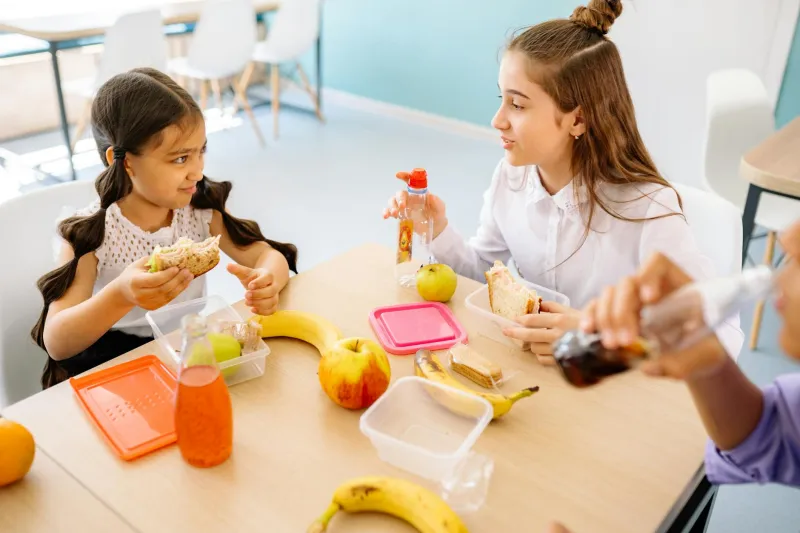
Walk into any American elementary school today, and you'll see signs everywhere: "NUT-FREE ZONE." "ALLERGEN ALERT." "PLEASE WASH HANDS AFTER EATING." Teachers carry emergency medication. Parents scrutinize ingredient lists like legal documents. A single peanut butter cookie can trigger a school-wide lockdown.
Now picture this same scene in 1975. Kids swap sandwiches freely. Peanut butter and jelly is the gold standard of lunch trading. Nobody carries an EpiPen because most people have never heard of one. The school nurse's biggest concern is scraped knees and stomach bugs.
What happened between then and now represents one of the most dramatic health transformations in modern American history—and nobody can fully explain why.
When Food Was Just Food
In the 1970s and 80s, severe food allergies were medical curiosities. Pediatricians might encounter a handful of cases in their entire careers. The term "anaphylaxis" lived in medical textbooks, not parent handbooks. School cafeterias served whatever they wanted without ingredient disclosure forms or allergen warnings.
Peanut butter ruled supreme. It was cheap, nutritious, and beloved by children. Reese's Peanut Butter Cups were Halloween gold. Trail mix was a healthy snack. Nobody questioned whether bringing nuts to school might endanger other children—because it didn't.
Dr. Robert Wood, an allergist at Johns Hopkins, remembers his early training: "In the 1980s, we'd see maybe one or two kids a year with serious food allergies. Now we see dozens every week."
 Photo: Johns Hopkins, via pic2.zhimg.com
The Numbers Don't Lie
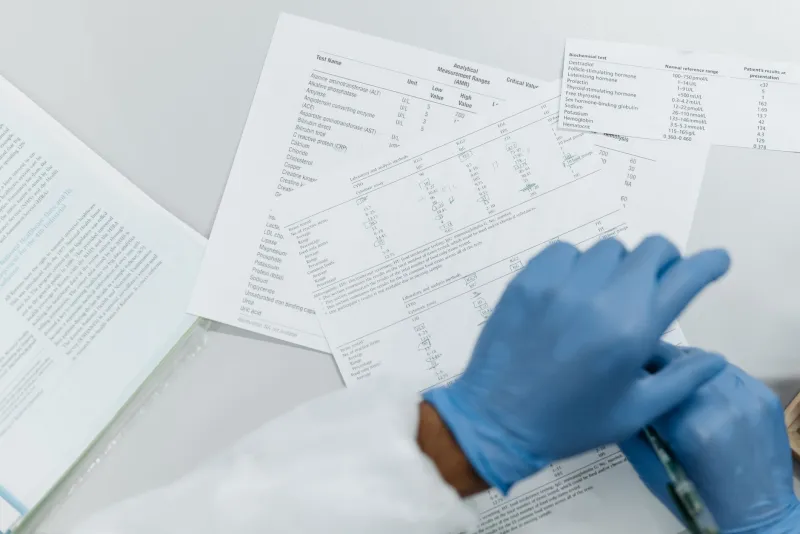
The statistics tell a stark story. In 1997, roughly 0.4% of American children had peanut allergies. By 2017, that number had nearly tripled to 1.2%. Food allergy emergency room visits increased by 377% between 2007 and 2016. EpiPen prescriptions for children under 17 jumped from 200,000 in 2004 to over 3.3 million by 2020.
This isn't just better diagnosis catching previously missed cases. The severity has intensified too. Allergic reactions that once might have caused hives now trigger life-threatening anaphylaxis. Parents describe children going into shock from trace amounts of allergens—microscopic exposures that wouldn't have registered on anyone's radar thirty years ago.
The Great Theory War
Scientists have proposed dozens of explanations for this dramatic shift, but no single theory explains everything.
The Hygiene Hypothesis suggests our obsession with cleanliness backfired. By eliminating germs, dirt, and bacterial exposure from childhood, we may have left immune systems with nothing to fight—so they turn on harmless proteins in food instead. Kids who grow up on farms, surrounded by animals and microbes, show significantly lower allergy rates than their suburban counterparts.
The Processing Problem points to ultra-processed foods. Modern food manufacturing involves chemicals, preservatives, and proteins altered in ways human digestive systems never encountered before 1950. Some researchers believe these changes trigger immune responses that wouldn't occur with whole, unprocessed foods.
The Timing Theory focuses on when children first encounter potential allergens. For decades, pediatricians advised parents to delay introducing nuts, eggs, and other common allergens. This well-intentioned guidance may have created the exact problem it sought to prevent—immune systems that treat delayed introductions as foreign invaders.
The New Normal
Today's parents navigate a world their own parents couldn't imagine. They read ingredient labels like legal contracts. They carry emergency medications to birthday parties. They coordinate with schools to create "safe" eating environments for their children.
Classrooms that once buzzed with lunch trading now enforce strict no-sharing policies. Birthday celebrations require pre-approved treats from certified allergen-free facilities. Field trips include detailed medical action plans for potential exposures.
The psychological toll extends beyond affected families. Children without allergies learn early that food can be dangerous, that sharing a sandwich might hurt a classmate, that eating requires constant vigilance. The carefree relationship with food that defined previous generations has vanished.
What We Lost in Translation
This transformation reveals something profound about modern America. We've become a nation that fears the very foods that nourished previous generations. The peanut butter sandwich—once a symbol of childhood simplicity—now represents potential danger.
The shift also highlights our complex relationship with risk and safety. We've created elaborate systems to protect children from food allergens while often ignoring more statistically dangerous activities they engage in daily, like riding in cars or playing sports.
The Path Forward
New research suggests the pendulum may be swinging back. Recent studies show that early, controlled exposure to potential allergens might actually prevent allergies from developing. Some pediatricians now recommend introducing peanut products to infants as young as four months old—a complete reversal of previous guidance.
But changing course proves difficult when an entire infrastructure has developed around allergen avoidance. Schools have policies to maintain. Food companies have invested in allergen-free facilities. Parents have built their lives around protection protocols.
A Different Kind of Childhood
The children growing up today will never know the casual relationship with food that defined earlier generations. They'll never experience the simple joy of trading lunches without checking labels first, or the freedom of eating birthday cake without scanning for allergen warnings.
Whether this represents progress or loss depends on your perspective. We've undoubtedly saved lives by taking food allergies seriously. Children who might have suffered in silence now receive proper medical care and accommodation.
Yet something intangible has been lost too—a kind of innocence about food, a trust that what nourished previous generations would continue to nourish us. In learning to fear our food, we've fundamentally changed what it means to eat together as Americans.
The lunchbox that once symbolized care and nourishment now carries the weight of potential danger. That transformation—from sustenance to threat—captures something essential about how dramatically, and unexpectedly, the world has changed.