A Heart Attack in 1972 Was a Death Sentence. Today It Doesn't Have to Be.
A Heart Attack in 1972 Was a Death Sentence. Today It Doesn't Have to Be.
Imagine it's 1972. Your grandfather clutches his chest at the dinner table. Someone calls the family doctor — maybe. An ambulance eventually arrives, staffed by attendants with little more than basic first aid training. At the hospital, he's given oxygen, maybe morphine for the pain, and told to rest. The doctors watch and wait. There's nothing else to do.
That was cardiac care half a century ago. And for millions of Americans, that waiting was the last thing they ever did.
What a Heart Attack Looked Like Before Modern Medicine
In the early 1970s, roughly 40 percent of people who had a heart attack died from it. Many of those deaths happened within the first hour — before any help arrived at all. The ones who survived often faced a different kind of sentence: weeks of strict bed rest, permanent heart damage, and a drastically shortened life expectancy. "Cardiac rehabilitation" as a concept barely existed. You had a heart attack, and if you lived, you were considered lucky and fragile for the rest of your days.
The hospital experience wasn't much more reassuring. Coronary care units — dedicated wards for heart patients — were only just being introduced in the late 1960s. Before that, heart attack patients were mixed in with general medical wards. Continuous heart monitoring? Largely unavailable. Defibrillators? Rare, and not yet part of standard emergency response. The drugs that could dissolve a clot mid-attack simply didn't exist.
The fundamental problem — a blocked artery starving the heart muscle of oxygen — was understood. Doctors just had almost no tools to do anything about it in real time.
The Turning Point: When Medicine Started Fighting Back
The shift didn't happen overnight. It came in waves over several decades, each one pushing survival rates higher.
The 1970s brought better monitoring and the expansion of dedicated cardiac care units across American hospitals. The 1980s introduced thrombolytics — clot-busting drugs that could be administered intravenously to dissolve the blockage causing the attack. It was the first time medicine could actually intervene in the biological event itself rather than just managing its aftermath.
Then came angioplasty and, eventually, coronary stenting. Instead of waiting for a clot to dissolve on its own or through medication, cardiologists could thread a catheter through a blood vessel, reach the blockage directly, and physically open the artery — often within 90 minutes of a patient arriving at the hospital. That 90-minute benchmark, known as "door-to-balloon time," became a national quality standard. Hospitals are measured against it. Lives depend on it.
Aspirin — cheap, widely available, and already sitting in most medicine cabinets — turned out to be a powerful early intervention. Paramedics now routinely administer it in the ambulance. Speaking of paramedics: the transformation of emergency medical services over the same period is its own remarkable story. The attendants of the early 1970s gave way to trained paramedics capable of reading EKGs, administering cardiac drugs, and even performing defibrillation in the field. The chain of survival got longer and stronger at every link.
The Numbers That Tell the Story
The results are hard to argue with. The death rate from heart disease in the United States has fallen by more than 70 percent since 1970, according to data from the American Heart Association. A significant portion of that decline is directly attributable to improvements in acute cardiac care — how quickly and effectively we respond in the critical minutes and hours after an attack begins.
Today, someone who reaches a well-equipped hospital quickly after a heart attack has a survival rate that would have seemed like science fiction to a cardiologist in 1972. In-hospital mortality for heart attack patients at leading cardiac centers now sits below 5 percent for many categories of events. The people who do survive are also recovering faster, returning to active lives rather than being consigned to the couch indefinitely.
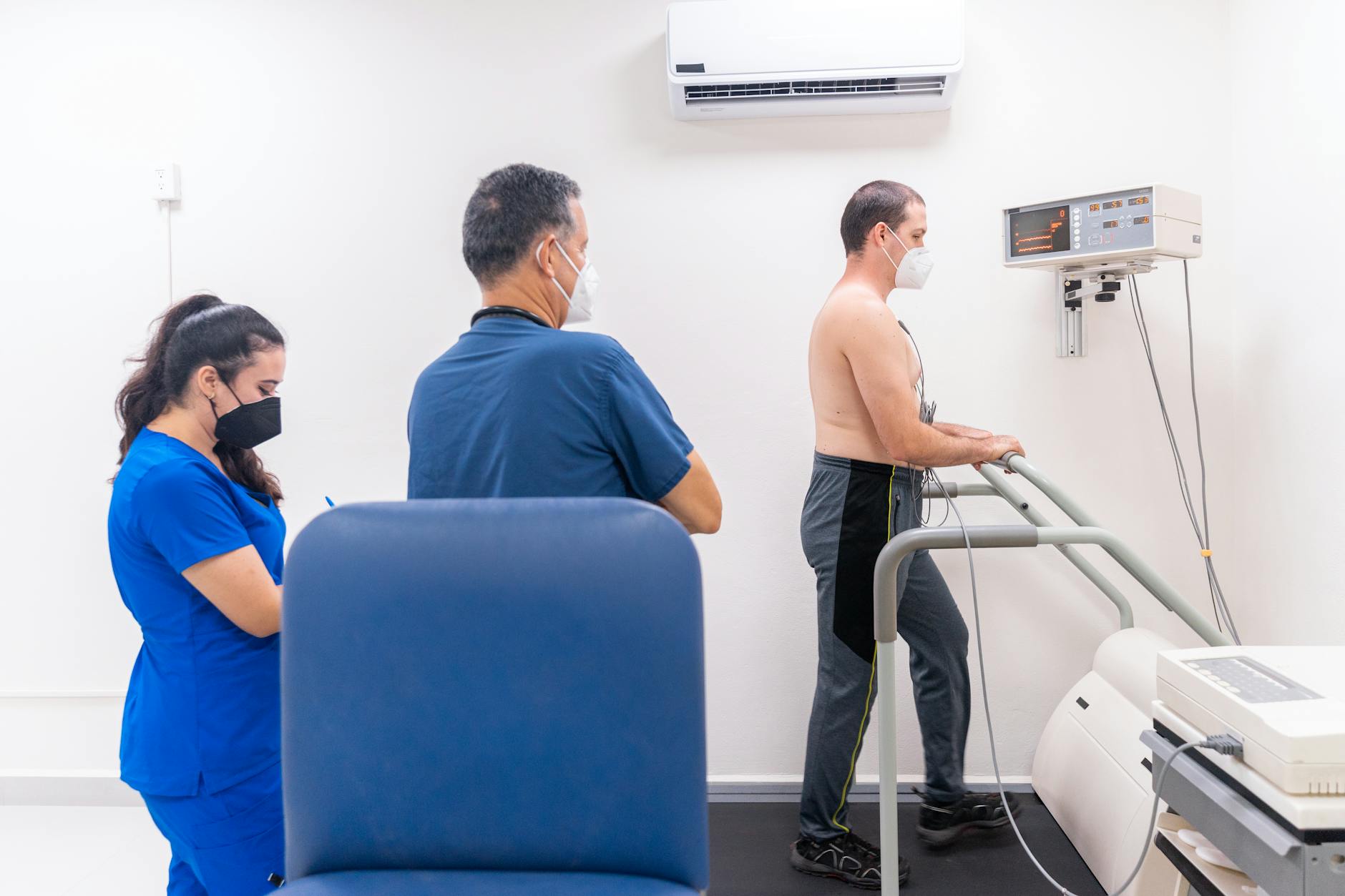
Cardiac rehabilitation programs — structured exercise, dietary counseling, psychological support — are now standard. The goal isn't just survival. It's getting people back to living.
What This Means for You
None of this is a reason to ignore the warning signs or skip the lifestyle changes that reduce cardiac risk in the first place. Heart disease remains the leading cause of death in America. The gap between what medicine can do and what actually happens still depends heavily on how fast someone calls 911, how quickly they get to the right facility, and whether that facility has the resources to act immediately.
But here's the thing worth sitting with: the infrastructure that now exists to save your life during a heart attack — the trained paramedics, the stents, the drugs, the protocols — none of it existed when your grandfather was your age. He was largely at the mercy of biology. You are not.
That's a change worth knowing about. And maybe worth being a little grateful for.