Bronze Was Beautiful: The Summer America Stopped Worshipping the Sun

Photo: vintage 1960s tanning beach sunbathing retro summer, via images.fineartamerica.com
Flip through a copy of Life magazine from 1965 and you'll find an America deeply in love with the sun. Advertisements promise products that help you tan faster. Celebrities pose on beaches with gleaming bronze skin. Coppertone billboards feature a little girl with a dog tugging her swimsuit strap, revealing the pale strip of skin underneath — the tan line as aspirational image, the contrast as the whole point.
That America feels very far away now. Today, sunscreen is a year-round staple, UV-protective clothing is a legitimate product category, and the phrase "sun damage" has replaced "sun-kissed" in the dermatologist's vocabulary. The shift between those two worlds is one of the more quietly dramatic cultural reversals of the past fifty years.
The Tan as Status Symbol
The cultural worship of bronzed skin is more recent than most people realize. For most of Western history, pale skin was actually the ideal — a sign that you worked indoors, which meant you were wealthy and refined. Farmers and laborers tanned. Aristocrats stayed out of the sun.
The reversal happened in the twentieth century, and it happened fast. The story most often told credits Coco Chanel, who was photographed with a tan after a Mediterranean cruise in 1923. Whether or not one French fashion designer truly changed the course of American sun culture, the timing is real: by the postwar era, tanning had become thoroughly glamorized.
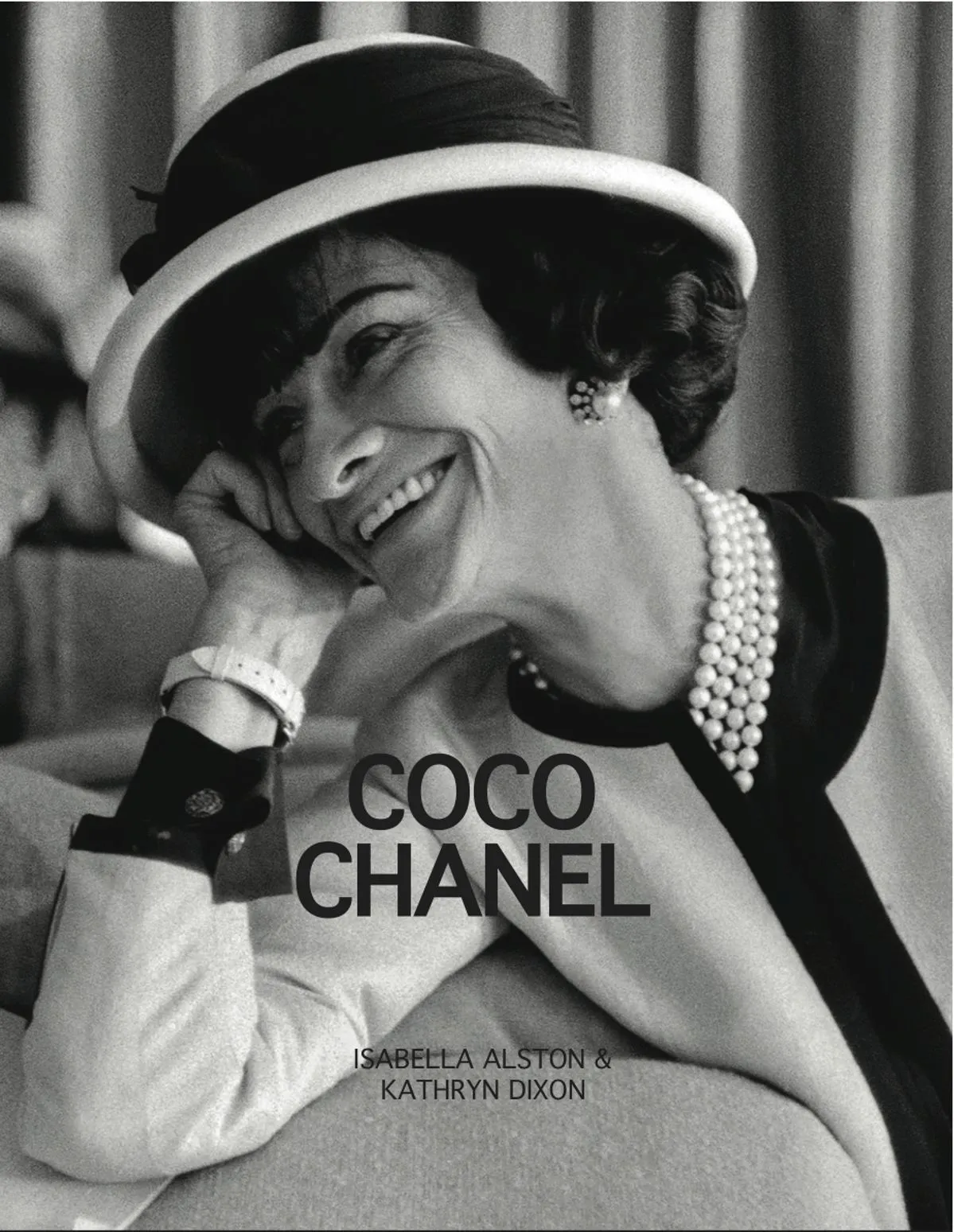 Photo: Coco Chanel, via cdn.kobo.com
In 1950s and 60s America, a tan meant something specific. It meant you had time to lie on a beach. It meant vacation, leisure, prosperity. It meant California, which meant freedom. Cary Grant was tan. Marilyn Monroe was tan. The whole aspirational machinery of mid-century American culture pointed toward the sun.
 Photo: Cary Grant, via i.pinimg.com
Products followed accordingly. Coppertone launched in 1944. Hawaiian Tropic arrived in 1969. Baby oil — which provided no UV protection whatsoever and essentially worked as a skin-browning accelerant — became a beach bag staple. Reflective sun shields that concentrated rays onto the face were sold as beauty tools. Tanning beds arrived in American salons in the late 1970s and were embraced enthusiastically, offering a year-round solution to the problem of not being tan enough.
The Science Catches Up
Dermatologists had been raising concerns about UV exposure since at least the 1950s, but their warnings moved slowly through the cultural mainstream. The connection between sun exposure and skin cancer was well established in medical literature long before it reached the average American beachgoer.
The turning point came gradually through the 1980s and accelerated in the 1990s. The American Academy of Dermatology launched its first major public awareness campaigns. Studies linking tanning beds to melanoma — the deadliest form of skin cancer — began generating real headlines. And the skin cancer numbers were genuinely alarming: the American Cancer Society now estimates that skin cancer is the most commonly diagnosed cancer in the United States, with more new cases each year than breast, prostate, lung, and colon cancers combined.
Celebrity culture shifted too, though more slowly. By the early 2000s, pale was quietly becoming fashionable again in certain circles. Nicole Kidman and Cate Blanchett — both notably fair-skinned — were celebrated for their complexions rather than apologizing for them. Sunscreen started appearing in fashion magazines not as a medical product but as a skincare essential.
 Photo: Nicole Kidman, via imgix.bustle.com
SPF Nation
Today's American summer looks almost nothing like its mid-century equivalent, at least in terms of sun behavior.
The sunscreen market in the United States is worth over $1.5 billion annually and growing. SPF-rated moisturizers are standard in daily skincare routines for millions of Americans who never set foot on a beach. Dermatologists recommend SPF 30 or higher every single day, year-round, regardless of weather. Reapplication every two hours during outdoor exposure is the official guidance — a ritual that would have seemed almost comically paranoid to a 1970s beachgoer.
The clothing industry has responded with an entire product category that didn't exist a generation ago: UPF-rated sun-protective apparel. Long-sleeved swim shirts, UV-blocking hats with neck flaps, and full-coverage beach cover-ups are now mainstream products marketed not as medical gear but as everyday summer wear.
Annual full-body skin checks with a dermatologist have become a routine recommendation, particularly for anyone with a history of significant sun exposure. The idea of proactively monitoring your skin for changes — something almost no one did in 1970 — is now standard preventive care advice.
What the Shift Reveals
The story of America's relationship with the sun is really a story about how quickly cultural meaning can reverse when science and aesthetics align. The tan didn't lose its appeal because people became more health-conscious overnight. It lost its appeal because the medical evidence became impossible to ignore, celebrity culture shifted, and the skincare industry found a way to make protection feel glamorous.
That last piece matters more than it might seem. Sunscreen didn't become a national habit because of fear alone. It became a habit because brands figured out how to market SPF as self-care, as luxury, as beauty routine. The same consumer culture that once sold baby oil as a beauty product now sells retinol-infused SPF 50 moisturizer as the responsible version of the same desire.
There's something worth pausing on in all of this. The generations who baked themselves on beaches in the 1960s and 70s weren't reckless — they were following the best cultural guidance available to them. The science wasn't fully in. The warnings hadn't reached them. They were doing what looked healthy and felt wonderful.
The fact that we now know better is genuinely good news. But it's also a reminder that what a culture calls healthy and beautiful is always a work in progress — and that sometimes, the thing we're celebrating is quietly doing us harm.