Dinner Was Served on Real China: The Forgotten Luxury of the 1970s Flight
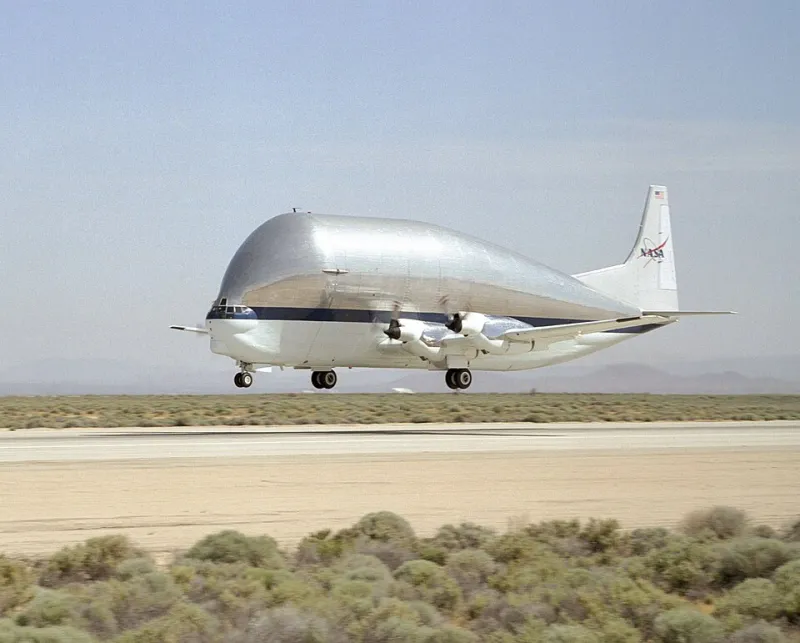
Photo: NASA/Tony Landis, Public domain, via Wikimedia Commons
Picture the departure lounge at a mid-sized American airport in 1974. The men are in suits. The women are in dresses. Someone is smoking, because of course they are. At the gate, a flight attendant checks tickets by hand, and every single one of those tickets cost roughly the same as a month's take-home pay.
Flying was an event. Not a commute, not a cattle call — an occasion you planned for, saved for, and dressed for. If you've only ever flown in the Basic Economy era, that world is almost impossible to imagine.
When a Ticket Cost a Month of Paychecks
The numbers are the shock. Adjusted for inflation, a domestic round-trip flight in the 1970s commonly ran $1,200 or more in today's dollars — sometimes far more, depending on the route. A family of four flying from Chicago to Phoenix wasn't making a spontaneous decision. They were making a financial commitment comparable to buying a used car.
That price was no accident. For decades, the federal government regulated airline fares, which meant airlines couldn't compete on price. They competed on everything else instead: meals, legroom, service, and swagger. The result was an industry that treated every passenger like a guest.
What a Month's Salary Actually Bought You
Here's where it gets almost absurd by modern standards. A typical coach ticket in the early 1970s included a hot meal served on real plates with real cutlery. On some carriers, coach passengers got steak. Flight attendants — who faced strict appearance standards and were often required to be unmarried — poured complimentary cocktails. Seats were wider. Pitch was more generous. Nobody fought you for the armrest, because there was room to spare at three-across in some configurations.
And the dress code wasn't a suggestion. Airlines could — and occasionally did — turn away passengers who looked too casual. Flying was status, and everyone aboard was expected to look the part. People put on their Sunday best to sit in a metal tube for three hours, because the ticket price demanded a certain dignity in return.
Deregulation Rebuilt the Entire Experience
The turning point came in 1978, when Congress deregulated the airline industry and airlines were suddenly free to compete on price. Fares began a long, relentless slide. Newcomers like People Express and later Southwest, JetBlue, and the ultralow-cost carriers of the 2000s stripped the experience down to its skeleton: a seat, a seatbelt, and a destination.
The trade was deliberate and, on the whole, wildly popular. A $49 one-way fare exists because everything the 1970s ticket included was unbundled and sold back to you piece by piece. The meal became a $12 snack box. The checked bag became a $40 line item. Legroom became a upsell. The flight attendant's cocktail service became a credit card swipe.
Meanwhile, the average fare today, adjusted for inflation, is less than half of what it was in 1980. More Americans fly than ever before. In 1970, flying was something roughly half of American adults had ever done. Now, most people have done it many times.
What We Gained, and What Quietly Vanished
The gains are real and shouldn't be romanticized away. Air travel went from a luxury of the professional class to something a college student can book on a phone at midnight. Grandparents see grandchildren more often. Weddings, funerals, and job interviews across the country became accessible to nearly everyone. That is a genuine democratic achievement.
But something evaporated in the transaction. Flying used to be a shared social experience with unwritten rules — you dressed up, you behaved, you were a guest. Today it's closer to riding a bus that happens to be at 35,000 feet. The airport itself transformed from a place of glamour into a security line, a removed-shoes ritual, and a gate-side scramble when boarding groups are announced.
There's also the comfort question. Seat pitch has shrunk to around 30 inches on many carriers, narrower than 1970s standards. Meals on domestic flights have all but vanished outside first class. The friendly skies became the fee-friendly skies.
The Trade Was Worth It — Probably
Here's the honest accounting: we exchanged an experience for access. The 1970s passenger flew rarely and luxuriously. The 2020s passenger flies often and uncomfortably. Ask most travelers which they'd choose, and they'll take the cheap ticket — right up until they're wedged into a middle seat between two strangers, paying $9 for a sad sandwich, wondering what happened.
The remarkable change isn't that flying got worse. It's that flying got cheaper, and worse, on purpose — and we collectively decided that was the better deal. Whether that says more about the airlines or about us is a question worth pondering at 30,000 feet, in a seat that barely reclines, eating pretzels.