Everyone in Town Read the Same Front Page: The Shared Reality America Quietly Abandoned
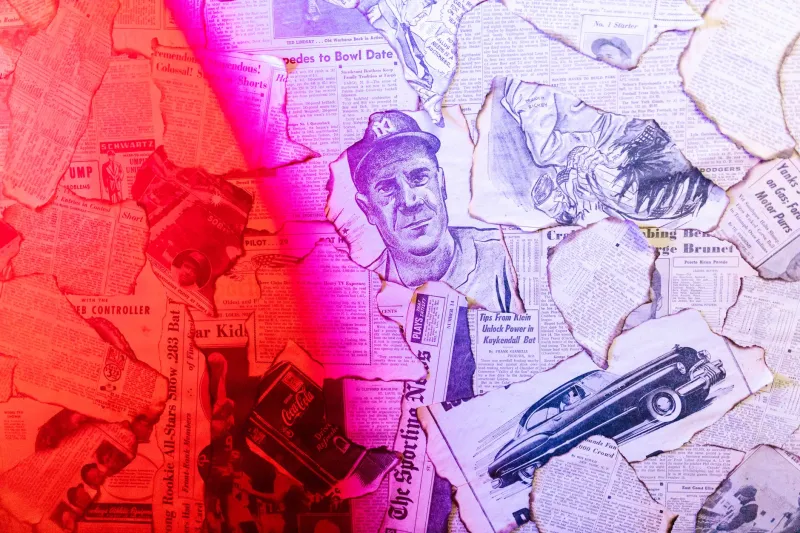
Picture a Tuesday morning in 1962. Across a mid-sized American city — say, Columbus, Ohio, or Tulsa, Oklahoma — hundreds of thousands of people are doing essentially the same thing. They're drinking coffee, unfolding a newspaper, and reading the same front page. The same lead story. The same photograph above the fold. The same editorial that'll spark arguments at lunch counters and dinner tables all day.
They don't know they're sharing a moment. It just feels like morning.
That quiet synchronization of information — everyone in a community starting their day from the same source — shaped American civic life in ways we're only now beginning to fully appreciate, mostly because it's gone.
The Paper on the Porch
At the height of American newspaper readership, the daily paper wasn't just a product. It was infrastructure. By the mid-twentieth century, major metropolitan papers had circulation numbers that seem almost impossible by today's standards. The New York Daily News once topped two million copies a day. Regional papers in cities like Chicago, Los Angeles, and Philadelphia had circulations in the hundreds of thousands. And in smaller cities and towns, the local paper was often the only game in town — literally the single source most residents consulted for news, weather, sports, and community announcements.
The mechanics of this were deliberate. Editors made choices. They decided what was important enough to lead with, what belonged on page one, what got buried in the back section. Those decisions weren't always right, and they weren't always unbiased. But they were made by human beings with professional accountability — reporters whose names were on stories, editors who lived in the communities they covered, publishers who answered to local advertisers and local readers in a direct, tangible way.
When you picked up the paper, you were receiving a curated, imperfect, but coherent version of the world — assembled by people who had to stand behind it.
A Shared Starting Point
Here's what that created, almost as a side effect: a common informational baseline.
When Americans gathered — at work, at church, at the diner, at a Little League game — they were largely working from the same set of recent facts. They might interpret those facts differently. They might argue fiercely about what they meant. But the argument started from the same place. The same story. The same basic account of what had happened.
That sounds simple. It turns out it was foundational.
Shared information creates the conditions for shared civic life. Town meetings, school board debates, local elections — all of these function better when participants have a common factual starting point. You can disagree about what to do about a problem. It helps enormously if you agree the problem exists.
The newspaper, for all its flaws, created that shared starting point every single morning, delivered to your door before you'd had your first cup of coffee.
The Slow Unraveling
Television began chipping away at newspaper dominance in the 1950s and 1960s, but it didn't immediately fragment the information landscape. The major networks — ABC, CBS, NBC — operated in many ways like newspapers on a screen. Walter Cronkite, at his peak, was watched by something like twenty-two million households on a given evening. He was, in a very real sense, a shared front page for the nation.
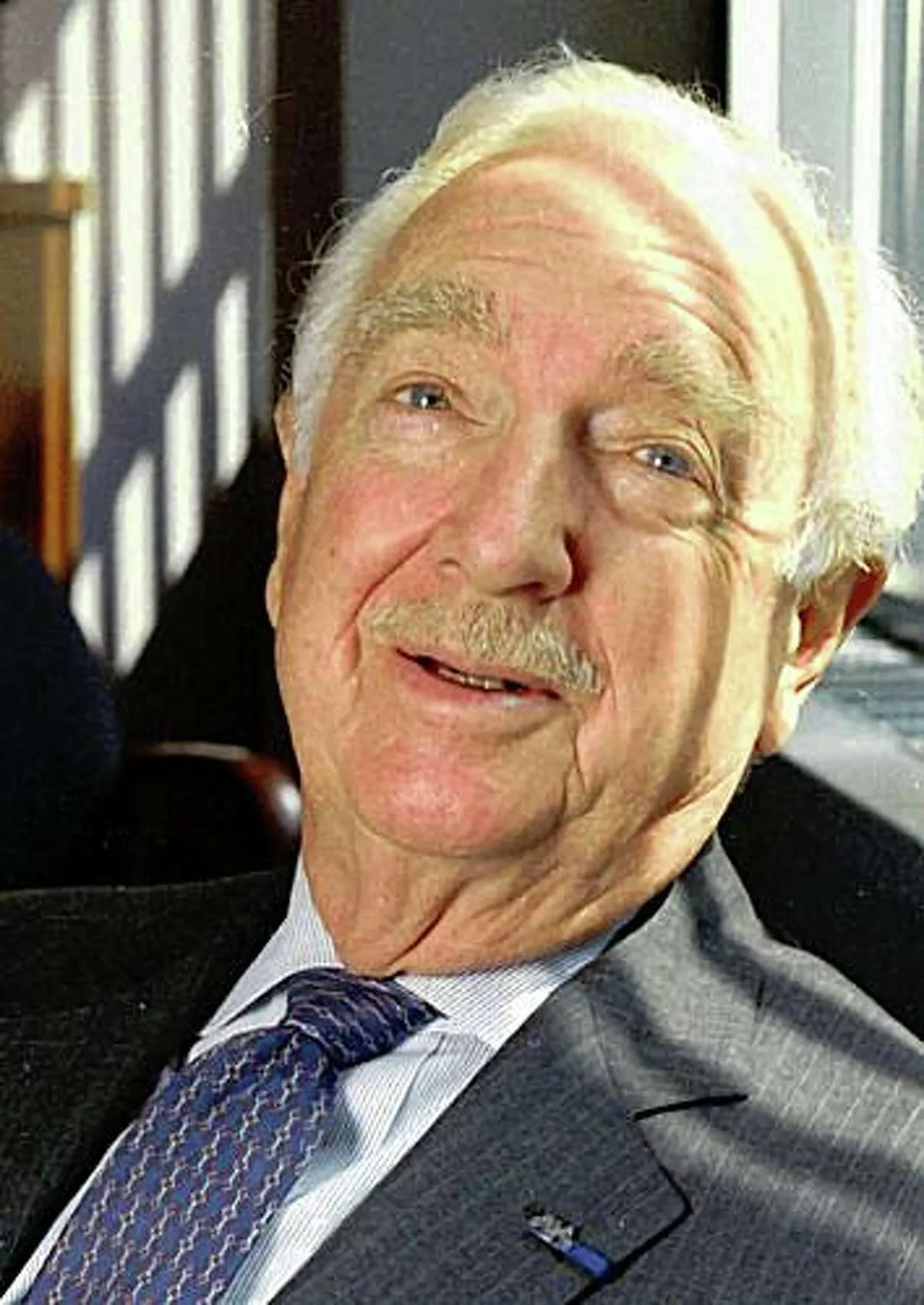 Photo: Walter Cronkite, via s.hdnux.com
The fracture really began with cable news in the 1980s and accelerated through the 1990s. Suddenly there were multiple channels, each with distinct editorial identities and audience loyalties. The information landscape started splintering — not into chaos yet, but into distinct camps.
Then the internet arrived, and the splintering became an explosion.
The Algorithm That Replaced the Editor
Today's news environment looks nothing like a Tuesday morning in 1962. There is no shared front page. There isn't even a shared set of sources most people consult. What you see when you open your phone is a feed assembled specifically for you — shaped by your past clicks, your location, your stated preferences, and dozens of behavioral signals you never consciously provided.
The algorithm knows what keeps you engaged. It serves you more of that. If outrage keeps you scrolling, you'll see more outrage. If confirmation of your existing beliefs feels satisfying — and research consistently shows it does — you'll see more confirmation.
This isn't a conspiracy. It's a business model. Engagement drives advertising revenue. Personalization drives engagement. The result is that two people sitting next to each other on a commuter train may be consuming completely different versions of reality — not just different interpretations, but different facts, different stories, different understandings of what happened yesterday.
The old newspaper editor had biases, certainly. But she had to put one front page together for the whole city. The algorithm has no such constraint. It builds a custom front page for each of the city's hundred thousand readers, optimized not for shared understanding but for individual engagement.
What a Shared Front Page Actually Did
It's tempting to romanticize the newspaper era. It's worth being honest about its limitations first. Mainstream American newspapers for much of the twentieth century were run by white men, reflected white male perspectives, underserved communities of color, and often actively suppressed or distorted stories that challenged the status quo. The "shared reality" they created was never fully shared — it excluded enormous portions of the population.
But within those limitations, the shared front page performed a civic function that nothing has convincingly replaced. It created common reference points. It forced editors to make choices about what mattered to a whole community, not just a segment of it. It meant that disagreements happened within a shared factual framework, rather than across parallel information universes.
The consequence of losing that isn't just that people disagree more. It's that they increasingly disagree about what's real — a fundamentally different and more destabilizing kind of conflict.
What Remarkably Changed
The morning paper landing on the porch wasn't just a delivery mechanism for news. It was a daily ritual that quietly stitched a community's shared understanding of the world together, one front page at a time.
We replaced it with something faster, more personalized, and infinitely more engaging. What we haven't replaced is the thing it did for us almost by accident — the fact that for a few minutes every morning, a whole town started from the same place.
That's a harder thing to engineer than an algorithm. And we're living in the gap it left behind.