Your Word Was Your Bond: The Vanishing Economy of Trust That Built Main Street

Somewhere in a dusty drawer in rural Ohio, there's probably a handwritten note that transferred ownership of a hardware store for $4,000 and a promise to keep the previous owner's nephew employed. No title search. No escrow. No notary. Just two men who'd known each other since Little League, a firm grip, and the understanding that breaking your word meant something far worse than a lawsuit — it meant losing your standing in the only community that mattered.
That was how Main Street America worked for most of the 20th century. And it worked remarkably well.
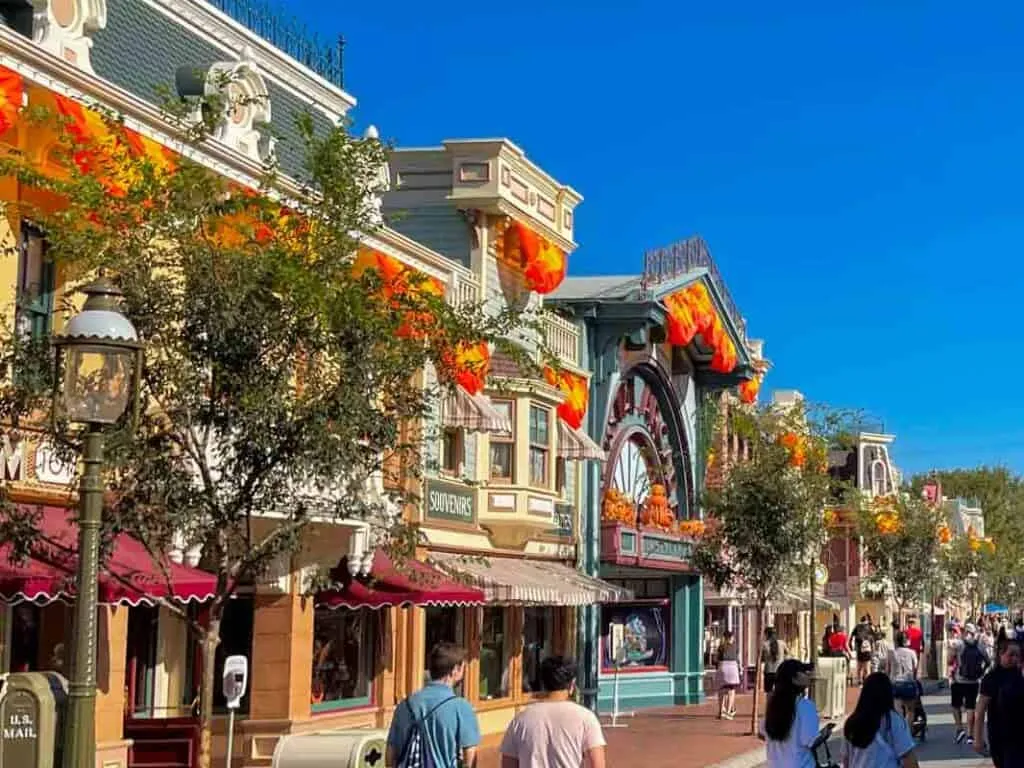 Photo: Main Street America, via thisfairytalelife.com
The Reputation Economy
Before the internet, before credit scores, before DocuSign, American small business ran on what economists now call social capital — the invisible currency of trust accumulated through years of living alongside the same people, attending the same churches, and sending kids to the same schools.
A local banker didn't need a 40-page loan application to decide whether to extend credit to the family that had operated the grain elevator for three generations. He already knew their payment history, their character, and their standing in the community. A verbal agreement between a contractor and a homeowner carried genuine weight because both parties understood that a broken promise had consequences that rippled well beyond any single transaction.
Reputation was the collateral. And it was non-transferable.
Small employment agreements were often sealed the same way. A diner owner would offer a cook a job with a handshake and a stated wage. Both parties showed up the next morning and honored the deal because the alternative — being known as someone who didn't keep their word — was professionally and socially devastating in a way that no court judgment could replicate.
When Paperwork Was the Exception, Not the Rule
This wasn't naivety. It was a rational system built on proximity and accountability. When you lived in a town of 3,000 people, your business reputation and your personal reputation were the same thing. The plumber who overcharged a widow couldn't quietly move on to the next customer — he faced that widow at the grocery store, at the Fourth of July parade, and at his kids' school events.
The system had its obvious flaws. It excluded people who didn't fit the community's definition of trustworthy — women trying to secure business loans, Black entrepreneurs in redlined neighborhoods, immigrants who hadn't yet accumulated the social standing that made informal agreements viable. The handshake economy was, in many places, a whites-only economy. That's not a minor footnote. It's a fundamental part of the story.
But within the communities it served, it created something genuinely remarkable: commerce that moved fast, relationships that ran deep, and a sense of mutual obligation that made Main Street feel like a shared enterprise rather than a collection of competing interests.
The Lawyers Arrived
The shift didn't happen overnight. Post-war America brought mobility, and mobility broke the accountability loop. When people could move across the country for work, the consequences of burning a local relationship dropped dramatically. A contractor who skipped town after a bad job couldn't be shamed at the Rotary Club if he was already in Phoenix.
Liability law expanded. Consumer protection legislation — much of it genuinely necessary and long overdue — created a framework where verbal agreements held diminishing legal weight. Businesses that once operated on mutual trust now needed documentation to protect themselves in court. And as documentation became standard, the absence of it began to look suspicious.
By the 1980s, even small businesses were drawing up employment agreements, non-compete clauses, and service contracts for work that a decade earlier would have been arranged over a cup of coffee. The paperwork wasn't replacing trust so much as substituting for it — filling the gap left when community accountability no longer provided sufficient guarantee.
What 40 Pages of Terms Actually Cost Us
Today, the average American encounters hundreds of legally binding agreements every year and reads almost none of them. We click "I Agree" on terms-of-service documents that run longer than most novellas, sign digital waivers before using a trampoline park, and receive employment offer letters that require legal translation before a new hire can understand what they've actually committed to.
The paperwork protects everyone and trusts no one.
Small business owners now routinely describe the administrative burden of contracts, liability insurance, and compliance documentation as one of their biggest operational challenges — not the work itself, but the legal scaffolding required to perform it. A contractor who would once have shaken hands on a kitchen renovation now navigates a process involving signed estimates, material agreements, change-order documentation, and lien waivers.
None of that paperwork creates trust. It just manages its absence.
Something Real Was Lost
There's a temptation to romanticize the handshake era in ways that paper over its genuine inequities. The informal trust economy excluded as many people as it served, and the legal frameworks that replaced it have extended economic participation to groups that were once systematically locked out.
But something real did disappear. The sense that commerce was embedded in community — that your business decisions carried social weight, that your word connected you to the people around you — that's largely gone. Transactions are now optimized for legal protection rather than human relationship. We've traded the warmth of mutual obligation for the cold efficiency of enforceable terms.
The handshake didn't just seal a deal. It acknowledged that two people were connected by something larger than the transaction itself. That acknowledgment is what we're still searching for — in five-star reviews, in verified seller badges, in the desperate hope that a stranger on the internet will actually show up when they said they would.
Main Street ran on trust. We're still figuring out what to run on instead.