When Skinned Knees Were a Badge of Honor: How America's Playgrounds Lost Their Edge
The Playground That Time Forgot
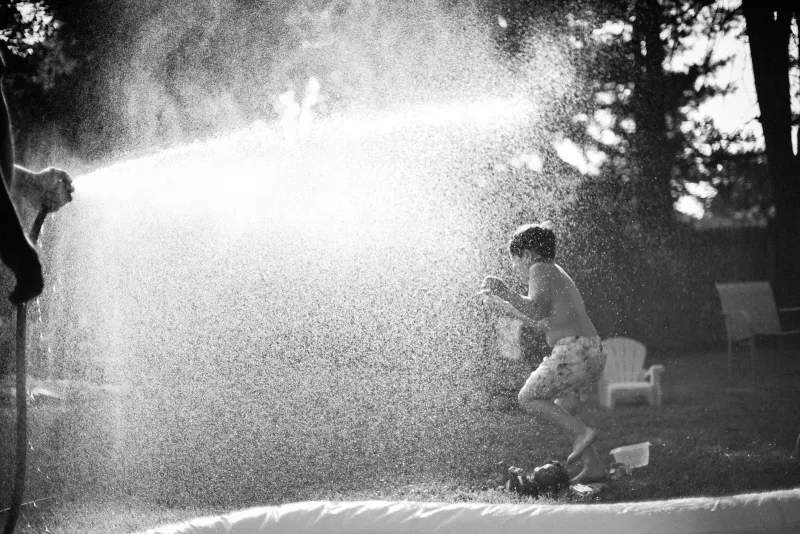
Picture this: a 12-foot metal slide baking in the summer sun, so hot it could brand your legs through denim. A merry-go-round that spun fast enough to launch kids into orbit. Monkey bars stretched over hard-packed dirt, with gaps wide enough to challenge even the most athletic eight-year-old.
This wasn't a medieval torture device — it was the American playground of the 1960s and 70s, where scraped knees were expected and broken bones were just part of growing up. Parents dropped their kids off with a simple instruction: "Be home when the streetlights come on."
The Great Safety Revolution
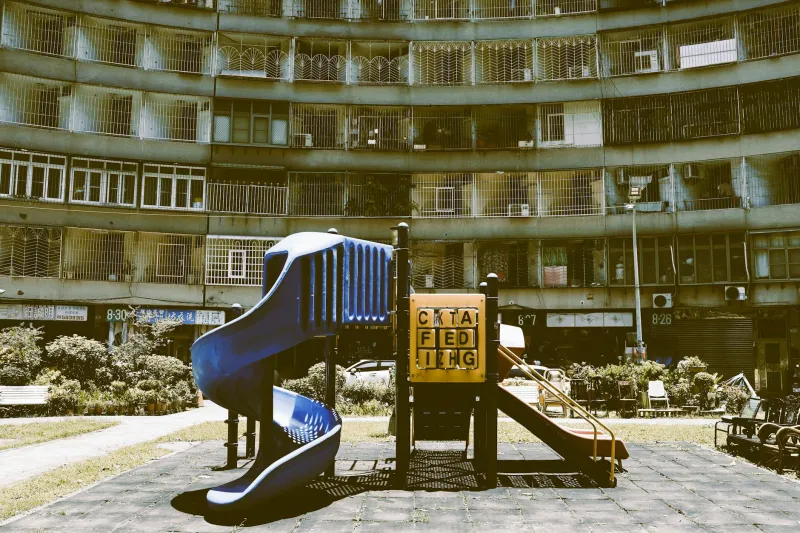
Today's playgrounds look like they were designed by NASA engineers obsessed with preventing every possible injury. Slides are shorter, made of plastic that stays cool to the touch, with safety railings every few feet. Merry-go-rounds have been banished entirely — too much liability. The ground beneath play structures is covered in thick rubber mats or wood chips deep enough to cushion a fall from a two-story building.
The transformation didn't happen overnight. It began in the 1980s when playground-related lawsuits started piling up. School districts and municipalities faced million-dollar settlements for injuries that previous generations would have treated with a Band-Aid and a pat on the head. Insurance companies stepped in with detailed safety requirements. The Consumer Product Safety Commission issued guidelines that essentially rewrote the rules of childhood play.
 Photo: Consumer Product Safety Commission, via www.frplegal.com
What We Gained — and What We Lost
The statistics tell a clear story: playground injuries have dropped dramatically. Emergency room visits for playground-related injuries fell by nearly 30% between 1990 and 2010, even as the number of playgrounds increased. Serious head injuries, broken bones, and concussions became rare events rather than seasonal expectations.
But child development experts started noticing something else. Kids weren't developing the same spatial awareness, risk assessment skills, or physical confidence that characterized earlier generations. The ability to judge distances, calculate safe landing spots, and push personal limits — skills that playgrounds once taught naturally — began to atrophy.
"We've created a generation that's physically safer but emotionally less resilient," explains Dr. Peter Gray, a developmental psychologist who has studied the evolution of childhood play. "When you remove all physical risk from a child's environment, you also remove opportunities to build confidence and learn from consequences."
 Photo: Dr. Peter Gray, via www.calendrier.best
The Lawsuit That Changed Everything
The turning point came in the early 1990s when a series of high-profile lawsuits made playground safety a municipal nightmare. Cities faced the choice between expensive retrofits and potentially bankrupting legal settlements. The decision was obvious: out went the tall slides, the fast merry-go-rounds, the challenging climbing structures that had defined playground fun for decades.
Parents, initially resistant to the changes, gradually embraced the safer equipment. The sight of a child with a cast became increasingly alarming rather than routine. What previous generations viewed as character-building experiences — learning to fall properly, understanding your physical limits, accepting that some activities carried inherent risk — became unacceptable threats to be engineered away.
The Unintended Consequences
Physical therapists began noticing that children were arriving at their offices with weaker core muscles, poorer balance, and less developed proprioception — the body's ability to sense its position in space. Teachers reported that students seemed less capable of handling minor setbacks or disappointments. The very qualities that challenging playgrounds had quietly developed — persistence, risk evaluation, physical confidence — were becoming less common.
Meanwhile, childhood obesity rates climbed. The sanitized playgrounds, while safer, proved less engaging. Kids who might have spent hours mastering a challenging piece of equipment now grew bored more quickly. Screen time filled the gap that physical adventure once occupied.
A Different Kind of Danger
Today's parents face a paradox their own parents never encountered: playgrounds are safer than ever, but childhood itself may be more fragile. The generation that survived metal slides and spinning merry-go-rounds now watches their own children navigate carefully designed play environments that promise safety but may deliver something else entirely — a childhood insulated from the very experiences that once built resilience.
The question isn't whether we should return to the dangerous playgrounds of the past. It's whether we can find a middle ground that preserves the lessons those playgrounds taught while protecting children from genuinely serious harm. Some progressive school districts are experimenting with "adventure playgrounds" that reintroduce controlled risk — loose parts, building materials, and activities that require judgment and consequence.
The Price of Perfect Safety
The transformation of American playgrounds reflects a broader cultural shift in how we view childhood, risk, and development. We've created the safest generation of children in human history — and perhaps the least prepared for a world that will never be as carefully engineered as the playgrounds where they learned to play.
Every parent wants their child to come home safe. But the children who learned to navigate those old metal slides and spinning merry-go-rounds came home with something else: the confidence that comes from testing limits, the resilience that comes from small failures, and the physical competence that comes from genuine challenge.
We've remarkably changed how children play. Whether we've remarkably changed childhood for the better remains an open question.