The Parlor Where Grandma Said Goodbye: How America Moved Death Out of the Living Room
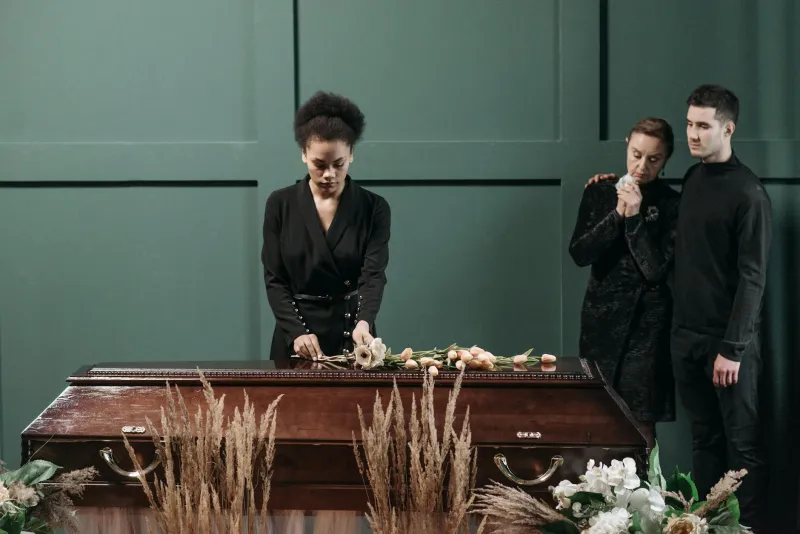
In 1920, when Martha Henderson's grandmother passed away in rural Ohio, the family didn't call a funeral director. They called the neighbors. Within hours, the women arrived with soap and linens while the men began building a pine coffin in the barn. Grandma would spend her final three days at home, in the front parlor where she'd hosted Christmas dinners and wedding receptions, receiving visitors who'd known her for decades.
Today, when someone dies, we make a phone call and strangers in suits arrive to whisk the body away. Death, once the most intimate of family experiences, has become America's most outsourced ritual.
When Every Family Knew How to Prepare the Dead
For most of American history, death was a hands-on family affair. Mothers taught daughters how to wash and dress a body. Fathers and sons crafted coffins from whatever wood they had. The deceased remained at home for days, allowing the entire community to participate in mourning.
The front parlor—literally named for its French root "parler," meaning "to speak"—served as the stage for this final conversation between the living and the dead. Families would move furniture aside, place the coffin on sawhorses, and open their doors to anyone who wanted to say goodbye.
Neighbors brought food, told stories, and helped with the constant stream of visitors. Children played in the yard while adults took turns sitting with the body through the night. Death wasn't hidden away—it was woven into the fabric of daily life.
The Rise of Professional Grief
The funeral industry began its takeover during the Civil War, when embalming became necessary to preserve soldiers' bodies for the journey home. What started as a wartime necessity gradually became a peacetime expectation.
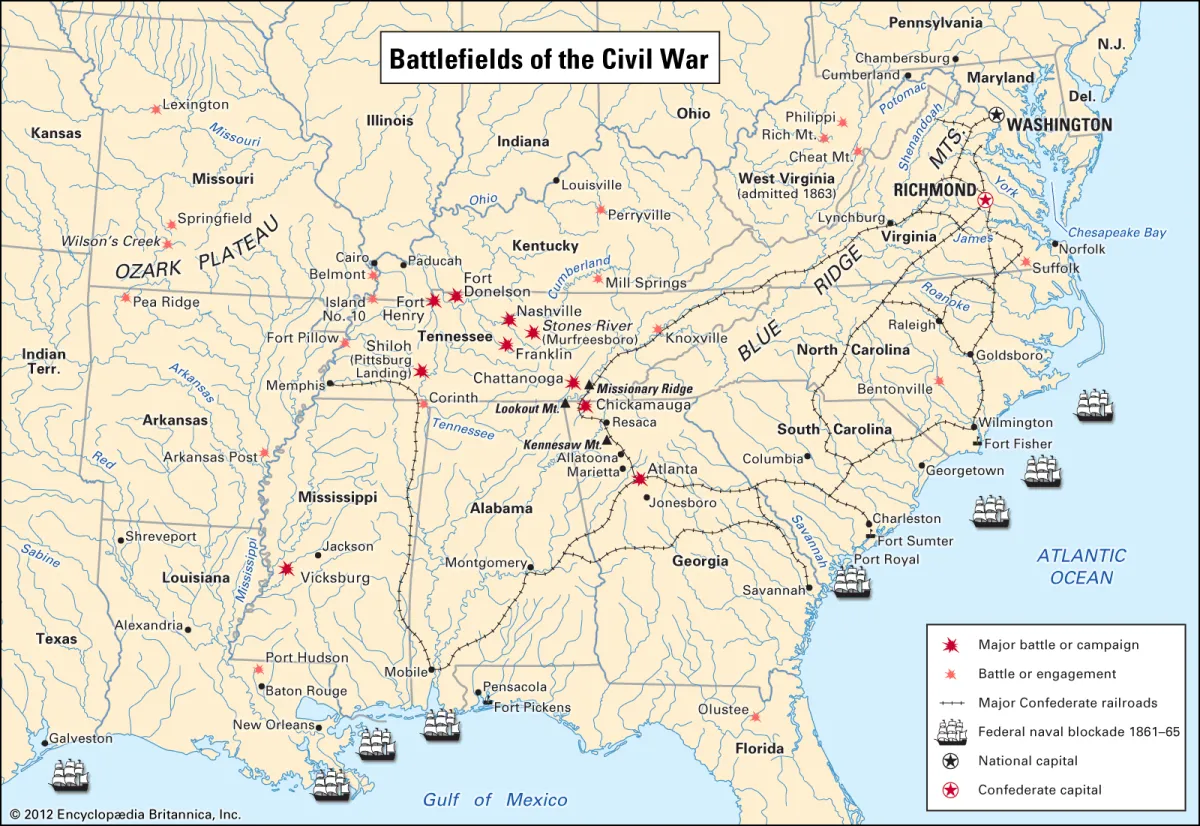 Photo: Civil War, via cdn.britannica.com
By the 1920s, funeral directors marketed their services as more "sanitary" and "dignified" than home preparation. They promised to spare families the "burden" of caring for their own dead. Embalming, once used only for long-distance transport, became standard practice—even when burial happened within days.
The transformation accelerated after World War II, as Americans moved to suburbs without extended family networks. Funeral homes offered package deals that seemed convenient: they'd handle everything from body preparation to burial arrangements, freeing families from the "gruesome" details of death.
What We Lost When Death Left Home
When we outsourced death, we lost more than just a ritual—we lost a fundamental understanding of mortality itself. Children who once saw death as a natural part of life now grow up shielded from it entirely. The first dead body many Americans see is at a funeral home, artificially preserved and cosmetically enhanced to look "peaceful."
The intimate knowledge passed down through generations—how to care for the dying, how to prepare the dead, how to grieve collectively—disappeared within a single lifetime. Families who once spent days together processing loss now gather for a few hours at a funeral home, then disperse back to their separate lives.
The financial cost has been staggering too. The average American funeral now costs over $7,000, compared to the few dollars families once spent on wood and flowers. What was once a community effort has become a luxury service that many families struggle to afford.
The Sterile Business of Modern Grief
Today's funeral industry operates more like a retail business than a community service. Families meet with funeral directors they've never seen before to select from catalogs of caskets, urns, and service packages. The deceased is prepared by strangers in a back room, presented for viewing in a generic chapel, then buried in a cemetery owned by a corporation.
The entire process, from death to burial, can happen within 48 hours—barely enough time for distant relatives to travel, let alone for a community to properly grieve together. We've traded the messy, emotional reality of death for the sanitized efficiency of professional services.
When Neighbors Knew How to Mourn
Perhaps most significantly, we've lost the art of communal mourning. When death happened at home, neighbors knew how to help. They brought specific dishes, took over household chores, and understood that grief required weeks, not hours, of community support.
Modern Americans often feel helpless when someone dies. We send flowers to a funeral home and attend a service planned by strangers. We've forgotten that grief is a community responsibility, not a private burden to be managed by professionals.
The Quiet Revolution of Home Death
Interestingly, a small but growing number of Americans are reclaiming death from the funeral industry. Home funeral movements in states like California and Vermont teach families how to care for their own dead again. They're rediscovering what their great-grandparents knew: that preparing someone for their final journey can be an act of love, not a professional service.
These families report that caring for their own dead, while emotionally challenging, provides closure that no funeral home service can match. They're finding that death, when handled with familiar hands in familiar spaces, feels less frightening and more sacred.
The transformation of American death rituals reveals something profound about our relationship with discomfort, community, and mortality itself. In our rush to make death more convenient, we may have made it more foreign—turning our most universal human experience into something that happens to other people, in other places, handled by other hands.
Perhaps the most remarkable change isn't that we've professionalized death, but that we've forgotten we ever knew how to handle it ourselves.