The Recipe Card That Survived Three Moves and Two Divorces: When Cooking Was Memory, Not Google
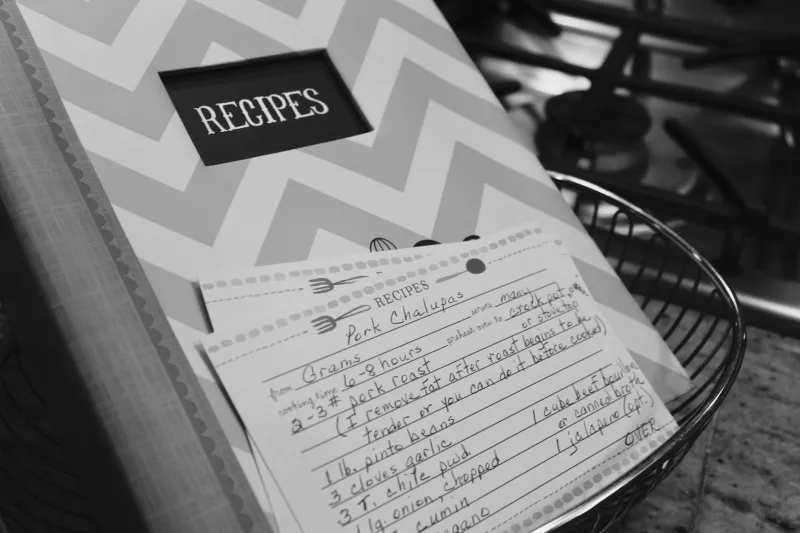
In Susan Miller's kitchen drawer, buried beneath takeout menus and expired coupons, sits a grease-stained index card that's older than she is. Written in her grandmother's careful cursive, it simply says "Meatloaf - the good one" followed by ingredients measured in "handfuls" and cooking times described as "until it smells right."
That card has survived three moves, two divorces, and countless kitchen renovations. But Susan hasn't made the meatloaf in years. These days, she types "easy meatloaf recipe" into her phone and follows whatever pops up first, never quite understanding why it doesn't taste like the one she remembers from childhood.
She's not alone. An entire generation of Americans has traded inherited culinary wisdom for algorithmic convenience, and something essential has been lost in the translation.
When Kitchens Held Centuries of Secrets
For most of American history, cooking knowledge moved through families like an heirloom. Daughters stood on step stools watching mothers brown onions, absorbing lessons that couldn't be found in any cookbook. They learned that pie crust required cold hands and warm hearts, that bread dough should feel like a baby's cheek, and that the best soups started with whatever needed to be used up.
Recipe boxes weren't just storage—they were family archives. Cards bore the fingerprints of generations: Aunt Helen's chocolate cake recipe with notes about high-altitude adjustments, Great-Grandmother's pierogi instructions written in fading Polish, Mom's first attempt at coq au vin with corrections scribbled in red ink.
These weren't just formulas for food. They were stories. The Christmas cookie recipe that came from a neighbor during the Depression. The casserole that fed the family after Dad's surgery. The birthday cake that required three attempts to get right but became legendary.
The Muscle Memory of Home Cooking
More importantly, cooking was a physical skill passed through demonstration and repetition. Mothers didn't measure vanilla—they poured it until it "looked right." They didn't set timers for every step—they listened for the sizzle to change, watched for the bubbles to form, smelled for the moment when onions turned from raw to golden.
This intuitive cooking created a deep connection between cook and kitchen. Experienced home cooks could tell when bread was done by tapping the crust, judge a stew's readiness by its aroma, and adjust seasoning by taste alone. They developed what food scientists now call "culinary intuition"—an internalized understanding of how ingredients behave.
Children absorbed this knowledge unconsciously. They learned that cooking wasn't about following instructions but about understanding ingredients, adapting to circumstances, and trusting your senses. A recipe was a starting point, not a rigid formula.
When Food Media Changed Everything
The shift began in the 1960s with the rise of food magazines and cooking shows. Julia Child convinced Americans they could master French cuisine by following detailed instructions. Betty Crocker promised perfect results through precise measurements and standardized techniques.
 Photo: Betty Crocker, via seeklogo.com
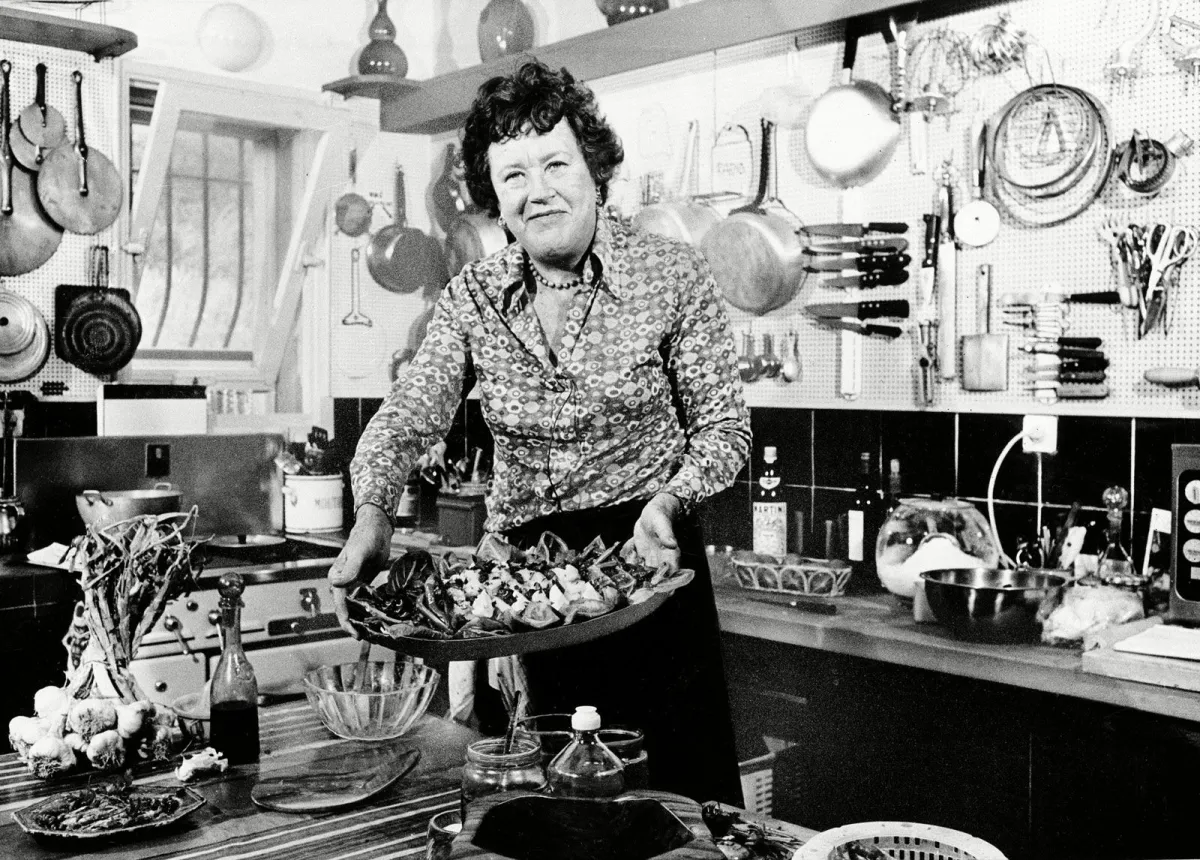 Photo: Julia Child, via cdn.britannica.com
This marked the beginning of cooking as performance rather than daily necessity. Recipes became more complex, requiring special equipment and exotic ingredients. Home cooks started feeling inadequate if they couldn't replicate restaurant-quality dishes.
By the 1990s, the Food Network had turned cooking into entertainment. Celebrity chefs promoted elaborate techniques and expensive tools. Home cooking began to feel either too simple (boring) or too complicated (intimidating), with little middle ground.
The Algorithm Takes Over
Then came the internet, and everything changed overnight. Recipe websites promised infinite options at the click of a button. Food blogs offered step-by-step photos and detailed instructions. YouTube tutorials showed exactly how every technique should look.
Suddenly, the accumulated wisdom of generations seemed obsolete. Why ask Grandma about her pot roast when you could find 50 highly-rated versions online? Why memorize family recipes when you could search for whatever you wanted to eat right now?
The shift accelerated with smartphones and apps. Meal planning became algorithmic, with apps suggesting recipes based on dietary restrictions, available ingredients, and personal preferences. Grocery delivery services eliminated the need to wander markets, discovering seasonal ingredients and improvising meals.
What We Lost in the Translation
This digital revolution solved many cooking problems—but created new ones. Modern home cooks have access to infinite recipes but often lack the fundamental skills to adapt them. They can follow instructions perfectly but struggle when something goes wrong.
The intuitive knowledge that once passed from hand to hand has been replaced by rigid formulas that don't account for variables: different ovens, varying humidity, personal taste preferences. When a recipe fails, many home cooks assume they made a mistake rather than trusting their judgment to adjust.
More significantly, we've lost the emotional connection between cooking and family history. Meals that once carried stories now come from anonymous food bloggers. The cultural knowledge embedded in traditional recipes—why certain spices pair together, how cooking techniques developed, what foods meant to different communities—has been stripped away.
The Loneliness of Modern Cooking
Perhaps most importantly, cooking has become a solitary activity. Where families once gathered in kitchens, sharing techniques and stories while preparing meals together, modern cooks often work alone, following instructions from their phones.
The rise of meal kits and delivery apps has accelerated this isolation. Cooking becomes either a chore to be minimized or a hobby to be perfected, rather than a daily practice that builds family bonds and cultural continuity.
Young adults report feeling disconnected from their cultural food traditions, knowing more about trendy restaurant techniques than the dishes their grandparents made. They can explain molecular gastronomy but can't make a decent pot of rice without consulting their phones.
The Search for Lost Flavors
Interestingly, many Americans are beginning to recognize what they've lost. Cookbook sales are rising as people seek to disconnect from algorithmic cooking. "Heritage" and "traditional" recipes trend on social media as younger generations try to recreate flavors from childhood.
Some families are deliberately returning to older ways of sharing food knowledge. They're digitizing handwritten recipe cards, recording videos of elderly relatives demonstrating family techniques, and teaching children to cook by feel rather than measurement.
But the transition isn't easy. Skills that once developed naturally over years of kitchen observation now require conscious effort to learn. The intuitive cooking that seemed effortless to previous generations feels foreign to people raised on precise instructions and consistent results.
When Convenience Costs Connection
The remarkable change in how Americans learn to cook reflects broader shifts in how we value convenience over continuity, efficiency over tradition. We've gained access to global cuisines and professional techniques, but we've lost the intimate knowledge that made food feel like home.
Susan Miller still has her grandmother's meatloaf card, but she's thinking about calling her aunt to watch the actual process—to learn the handful measurements and the smell cues that no algorithm can capture. Because sometimes the most important ingredients can't be googled.
They have to be remembered.